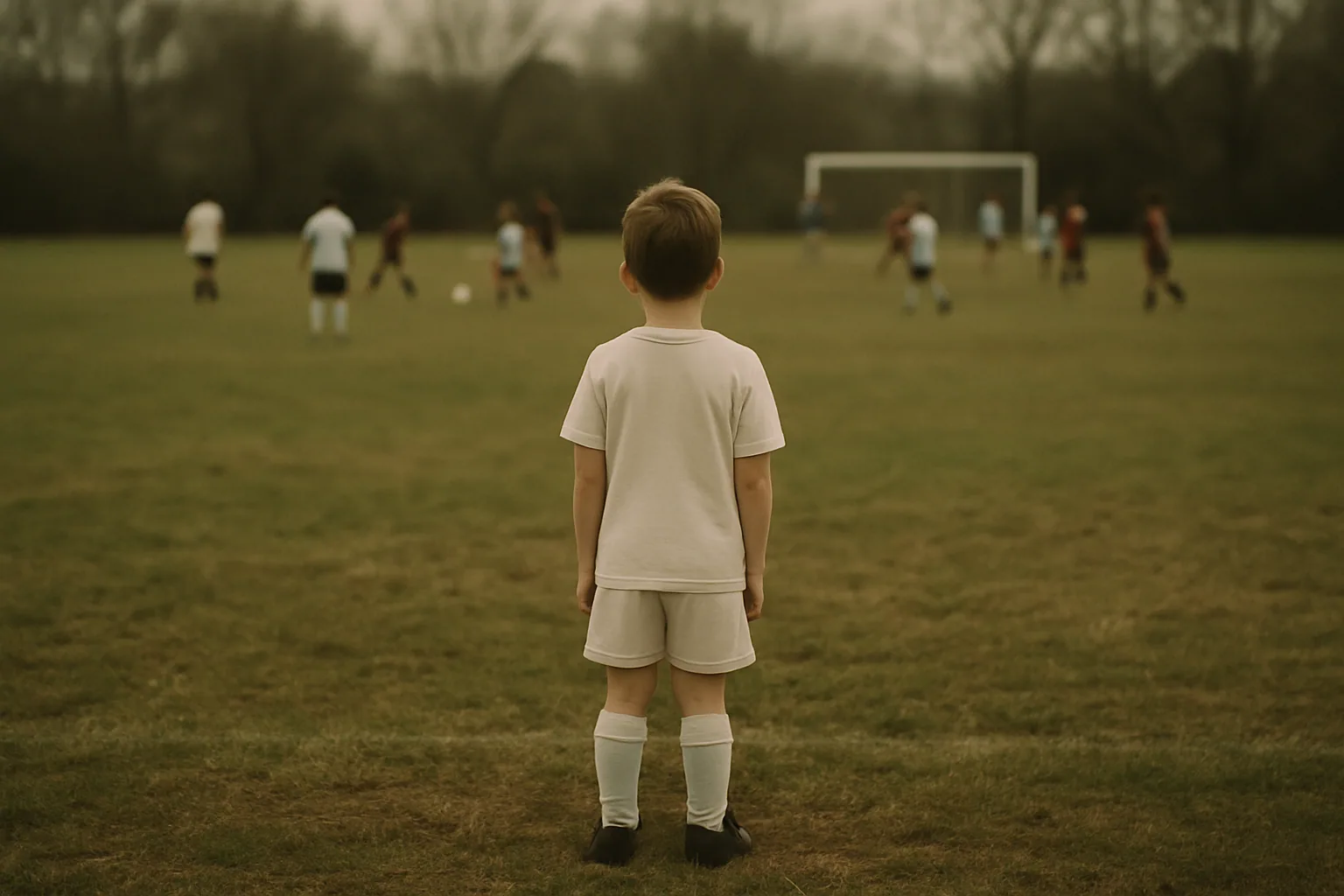
The game is three minutes old. One parent has already corrected a player, challenged an official, and explained the coach’s lineup to everyone within two folding chairs.
Do less. Your child came to play, not to manage your reaction from the field.
Do not become the second coach
Your child has a coach giving instructions from the bench or sideline. Adding another voice forces a player to choose which adult to obey while the play keeps moving.
Cheer for effort, a good pass, a strong recovery, or the whole team. Save technical corrections for the person running the team. The positive version lives in sideline etiquette for youth sports parents.
Your face coaches too. The eye roll after a miss and the hands on hips after a bad decision tell your child exactly how the play landed with you. If you cannot make the face neutral yet, look at the scoreboard for ten seconds.
Do not make the official your opponent
Disagreeing with a call is part of watching sports. Turning that disagreement into a running conversation with the official is a choice.
U.S. Soccer’s referee abuse policy, updated for May 15, 2026, applies sanctions to physical and nonphysical abuse and tells parents to cheer for the team instead of against the referee. Other sports and leagues use their own rules, so read the code you accepted at registration.
If another adult on your team starts yelling, the guide to handling a parent who yells at the referee gives the coach and team manager a next step. Joining the argument gives them a second problem.
Do not turn children into sideline analysis
Do not discuss who should start, who should sit, or who cost the team a score within earshot of players or families. The child you are grading has an adult nearby, and your own child now knows you grade teammates out loud.
The same rule applies in the team chat and parking lot. Talk about scheduling, snacks, carpools, and your own child’s needs. Leave another child’s performance alone.
Recording needs restraint too. Check the team or venue policy before filming, frame your own child as tightly as the sport allows, and do not post a clip centered on someone else’s child without permission.
Do not demand a meeting in the hot window
A real concern about safety, supervision, or immediate harm belongs with an adult now. A playing-time complaint, tactical disagreement, or lineup question can wait.
Do not corner the coach during the game, block the walk to the parking lot, or send the first angry message from the car. Ask for a time to talk after both sides have left the field.
The deeper policy side is in sideline parent conduct. Your league’s written code controls removal, suspension, and complaint steps.
The meeting can wait, and the review can wait too. The game ends before your analysis does. That does not mean your child wants the analysis.
Start the drive with water, food, and enough quiet for the player to decide whether they want to talk. The first 90 seconds after a game matter because a child can hear the difference between company and a performance review.
If your child brings up the disputed call, missed chance, or coach’s choice, listen before deciding what it means. A question such as “Do you want me to listen, or help you think it through?” gives the player control of the conversation without pretending the game never happened.
No parent gets every game right. The useful standard is visible and plain: cheer, keep other children out of your commentary, follow the conduct code, and let the coach coach.