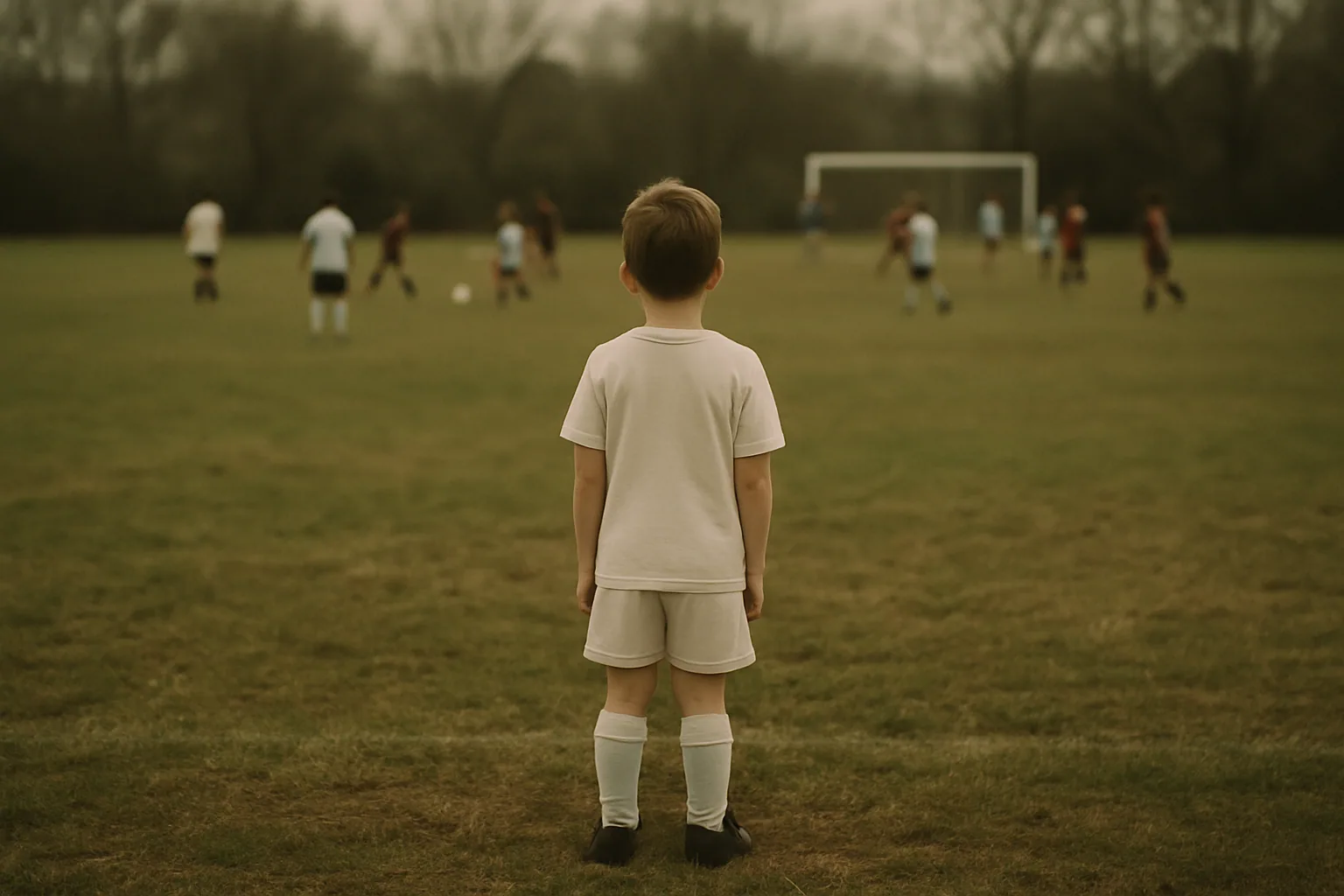
The sideline is not a second bench. It is the place where a parent makes the game easier to play, even when the score, officiating, or lineup is frustrating.
The National Federation of State High School Associations’ Parent Seat program asks adults to model calm, respectful behavior at school events. The same idea works at younger games: support the child without trying to control the contest.
Give the player one coaching voice
Cheer for effort, teamwork, and a good play. Do not yell tactical instructions.
“Great hustle” is support. “Drop, turn, switch, shoot” is a competing assignment.
Your child may hear you, the coach, and a teammate at the same time. They should not have to decide which adult will be upset if they choose wrong.
This applies even if you coach another team or know the sport well. During this game, the team’s coach owns instruction. You own encouragement.
Ask your child before the season what kind of cheering feels good. Some want their name after a big play. Others want a wave before the whistle and quiet once the game starts.
Respecting that answer is part of supporting them.
Keep every child out of adult commentary
Cheer for your team without targeting the other team. A good save, clean pass, or strong race does not become less impressive because another child made it.
Do not discuss another player’s skill, body, minutes, mistakes, or family in the stands, parking lot, or team chat. Sound travels, screenshots travel farther, and children should not become material for adult analysis.
Follow the league and venue rules for photos and video. Before posting a clip that clearly identifies another child, get the appropriate permission or edit the clip. That is a privacy habit, not a claim about one universal law.
Help with the ordinary work when you can. Carry equipment, fill the water cooler, honor the snack rotation, and leave shared spaces cleaner than you found them. Useful adults make a team easier to run.
For the sharper list of behaviors to avoid, read what parents should not do at youth sports games. This page is the positive rulebook: encourage, respect, help, and give the players room.
Put disputes in the right lane
Do not argue calls from the sideline. If the issue is immediate safety, alert the coach or event staff without turning the stands into a confrontation. The coach handles game administration; the league handles officiating complaints.
If another adult starts yelling, do not try to win a shouting contest. Move children away, get a coach or site manager, and use the steps in when a parent yells at the ref.
Playing time, position, and role questions also wait. Do not approach the coach during warmups, halftime, or immediately after the final whistle. Ask for a scheduled conversation after everyone has had time to cool down.
The boundary is different for urgent safety or misconduct. Report an immediate concern through the program’s stated channel as soon as it is safe to do so. Etiquette never requires silence about harm.
Let the game end at the field
When the game finishes, let your child choose how much they want to say. A quiet ride is not a lost teaching opportunity.
Try one neutral opener: “Want to talk about it, get food, or have quiet?” If they choose quiet, honor it. The 90-second rule gives both of you a short reset before analysis begins.
Your job is not to produce the perfect sideline performance. It is to keep your reactions from becoming another task your child must manage.
Cheer and stay calm. Help when asked, then let the coach coach and the player play.