Youth coaches are quitting over parents. A national survey of 3,470 coaches, released by the U.S. Center for SafeSport in January, found that managing parents ranks among the top reasons coaches leave the job. One coach in the survey said it plainly: “They created tension. They instilled distrust. They were worse than children.”
That survey is describing someone else’s problem. You don’t get to be the coach complaining about the parent on the sideline. You’re standing in both spots at once.
Two reactions, same half second
A regular coach watches a kid boot a routine ground ball and thinks about the fix. Footwork, glove angle, next rep.
You watch your own kid boot the same ball and something else shows up first. Not a coaching thought. A parent’s flash of embarrassment, or disappointment, or both.
Both reactions land in under a second. Most of us can’t tell them apart while they’re happening.
The gap that decides everything
A gap sits between the mistake and whatever comes out of your mouth. For most coaches, a coaching thought fills that gap. For a parent-coach, the parent reaction gets there first.
That gap is short. It runs long enough, though, to decide whether the next thing out of your mouth is a correction or a reaction with a correction wrapped around it.
You cannot close that gap by trying to stay calmer in the moment. Willpower doesn’t win a race against adrenaline that’s already firing. The fix has to happen before the game.
What actually holds up
Set the rule in the car on the way to the field, not on the bench after the error. Something specific enough to follow without thinking: one sentence, then move to the next kid. Or: no conversation about the mistake with your own kid until the drive home, same as you’d wait with anyone else’s kid mid-game.
Rules made ahead of time survive contact with the moment. Rules invented in real time don’t, because the parent half of you is already talking by the time you’d need them.
Give one person permission to catch you. An assistant coach, another parent on the bench, your spouse in the stands. Not to referee the whole practice, just to say one sentence afterward: “That was more than you’d have given anyone else’s kid.” You need someone else’s eyes, because you cannot see your own face while you’re making it.
What doesn’t work
Deciding you’ll just be more patient this season doesn’t survive week three. Vague intentions lose to adrenaline every time.
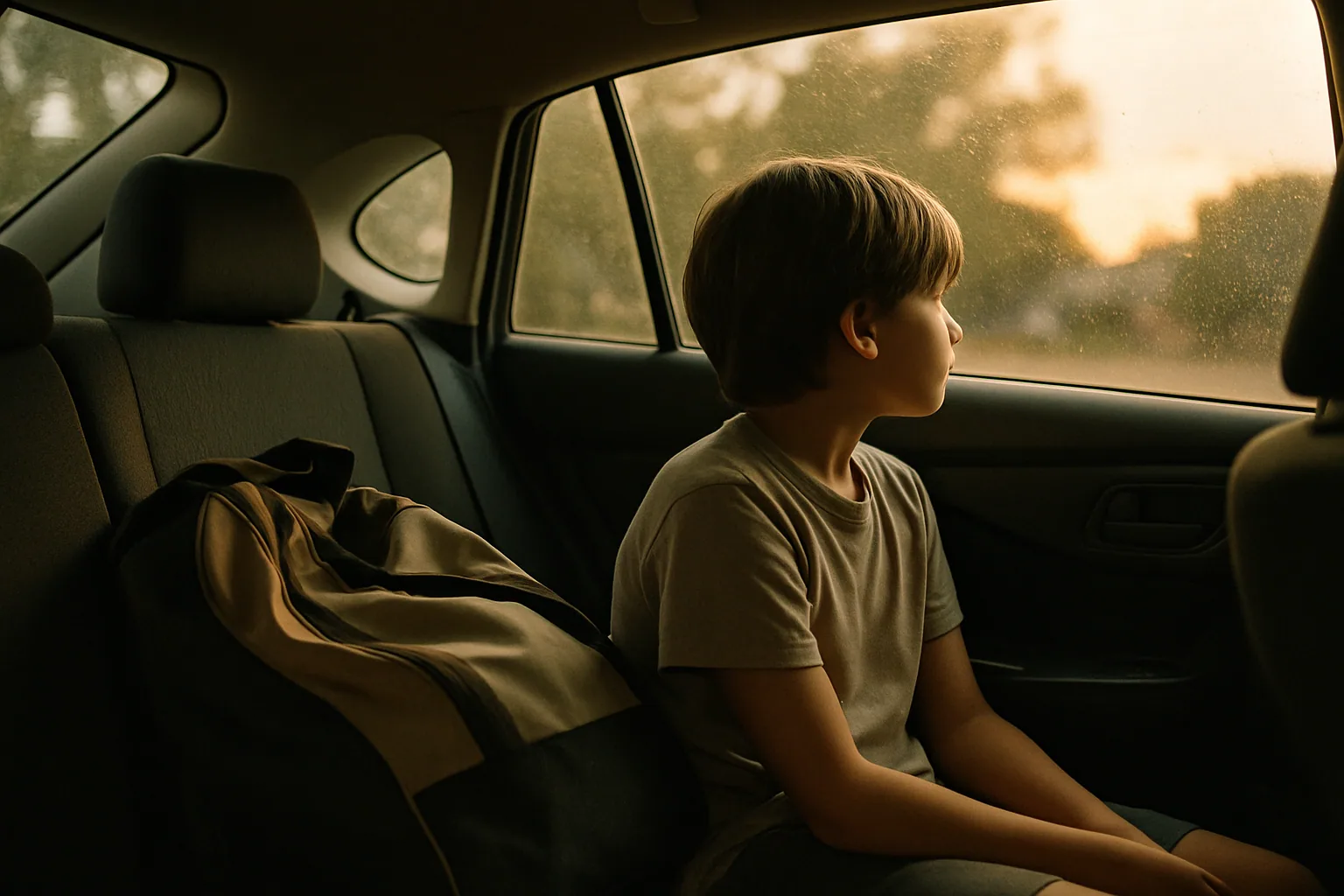
Neither does venting to your spouse in the front seat right after the game while your kid sits in the back. You think you’re processing the game. Your kid is hearing you relitigate their mistake out loud, twice.
What’s actually at stake
The 2023 National Association of Sports Officials survey of over 35,000 officials found that more than 40 percent named unruly parents as the single biggest problem with the job. Officials get to walk away from a bad Saturday. Coaches, per the SafeSport survey, increasingly do too.
Your kid doesn’t get a version of the story where the bad ref goes home. The parent who lost it on the field and the coach who lost it on the field are the same person who tucks them in that night. No second car exists to drive home in.
Get the rule right before the season starts. Most of the two-reaction problem never makes it onto the field at all.
Related: How to know if you’re actually coaching your kid fairly and Coaching your own kid in front of the team.