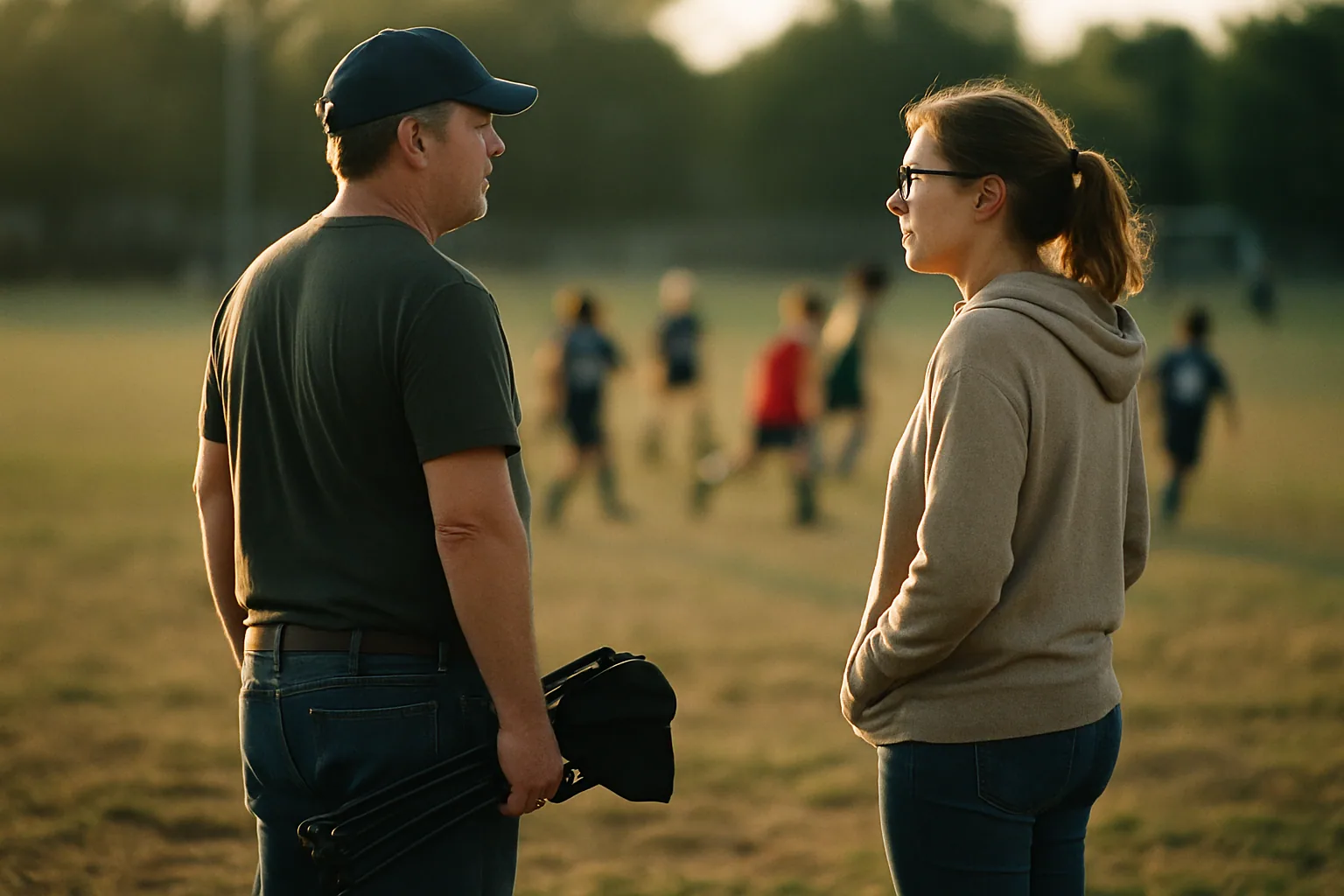
Reward effort and improvement, not the scoreboard, and keep one postgame ritual no matter how the game went. Run one simple system for six weeks before you add anything. Then decide with what you saw, not what you hoped.
This post contains affiliate links, and we earn a small amount when you buy through them. We only recommend products we use ourselves.
TL;DR:
- Recognize effort, improvement, and teammate support, and keep the same postgame ritual after wins and losses.
- Give kids small choices, clear skill targets, and chances to connect with teammates.
- Match the reward to the age: quick and visible for little kids, private and role-based for teens.
- Test any system for six weeks with a set review date.
- Name one specific thing your kid did well before you say anything about the score.
Table of Contents
- What reward systems actually work for young athletes
- Why effort-linked rewards work better than outcome-only praise
- Adjusting rewards for each age and stage
- Getting parents and coaches on the same page
- A six-week trial to test any reward system
- The simplest fix most parents overlook
- How Resources support your reward system
- Where this article’s guidance comes from
- Sources
- FAQ
What reward systems actually work for young athletes
You don’t need a trophy case. You need a plan simple enough to run every week and honest enough that kids trust it.
Start small. A single poster board with stickers for “hustle play,” “picked up a teammate,” or “tried a new skill” beats an app nobody updates, so keep it to one board, one rule, and one adult in charge.
Rituals carry more weight than most parents expect. In USA Volleyball’s guide to the car ride after a bad game, clinical psychologist Kevin Chapman says a big win can earn something special. He also wants a consistent after-game ritual regardless of outcome, like a milkshake on the way home.
Recognize improvement and teammate support as loudly as goals. Try an “unsung hero” note that goes to a different kid each week, or a two-minute circle where players name something a teammate did well.
Some of the best rewards cost nothing at all: picking the warm-up drill, calling a huddle, or captain for a day after a strong week.
- Token boards suit a solo parent-coach with a small roster.
- Team rituals fit when the whole staff buys in.
Pro Tip: Run one reward type for six weeks before you add a second. Systems fail from overload, not simplicity.
Why effort-linked rewards work better than outcome-only praise
Self-determination theory splits motivation into three needs. Autonomy means some choice, competence means feeling capable, and relatedness means feeling connected to teammates and coaches.
A 2024 study in Frontiers in Psychology followed 1,047 Swiss physical education students. The researchers looked at how support for those needs, including support from peers, related to kids’ intrinsic motivation and sense of competence.
So put the support into the delivery, not the prize. Offer a small choice, like which drill to lead or which teammate to recognize.
Set a target a kid can see, like “five clean serves in a row” instead of “play better.” Then build in a moment with teammates, such as a shoutout or a high-five line, so the reward pulls the team together.
Praise needs the same discipline. This Eastern Kentucky University doctoral research on praise looks at feedback in sport, and the practical takeaway is simple: tie praise to something real the kid did, not a generic “good job.”
Adjusting rewards for each age and stage
A reward that thrills a seven-year-old will embarrass a fourteen-year-old. The system has to grow with the kid.
- Ages 6 to 9: keep it quick and visible. Stickers, a token board, and a postgame ritual give fast feedback.
- Ages 10 to 12: shift toward roles and progress. A drill-leader rotation or a simple progress chart gives kids something to chase without feeling babied.
- Ages 13 and up: favor privacy and choice. A quiet word from a coach or a hand in planning practice lands better than a public chart.
- Fading prizes: as kids grow, trade stickers for specific praise and real responsibility.
Getting parents and coaches on the same page
A reward system falls apart when the coach praises effort at practice and a parent grades the scoreboard in the car. Get on the same page before the first game, not after a rough loss.
A short preseason checklist helps:
- Agree on what earns recognition: effort, improvement, teamwork.
- Decide who tracks it, one parent volunteer or the coaching staff.
- Set a shared postgame ritual, so kids hear the same message at the field and in the car.
Two scripts for the ride home:
- After a strong effort: “I saw you hustle back on defense even when you were tired. That’s the part I’m proud of.”
- After a tough loss: “That one stung. You still played hard in the fourth. Want pizza or tacos tonight?”
Our postgame script and postgame ritual guide have more of this exact language.
A six-week trial to test any reward system
Pick a system, run it for six weeks, and decide with real information. Before you start, settle five things: the behavior you’re rewarding, the reward type, the rules, who tracks it, and your review date.
| Week | Focus | What to watch for |
|---|---|---|
| 1 | Launch and explain the rules | Do kids understand what earns recognition |
| 2 to 3 | Consistency | Is the adult in charge tracking it every game |
| 4 | Early motivation check | Are kids mentioning the reward unprompted |
| 5 | Peer response | Are teammates reacting well to shoutouts |
| 6 | Review and decide | Keep, tweak, or retire the system |
Materials are minimal:
- A poster board or printable chart
- Sticky notes for “unsung hero” picks
- A calendar reminder for the weekly check-in
The simplest fix most parents overlook
The biggest mistake we see isn’t the reward. It’s grading effort by the scoreboard, when a kid who played their best in a loss deserves the same warmth as a kid who played their best in a win.
The fix takes thirty seconds. Before you say anything else tonight, name one specific thing they did well, and then stop talking.
How Resources support your reward system
A reward system runs easier with the scripts ready. We keep them in one place, so you spend less time improvising in the parking lot.
- The postgame script guide for earned-praise language
- The postgame ritual breakdown for a steady routine
- The parent-coach gear guide for a clipboard, token board, or bench supplies
For more ideas you can adapt, Building Blocks Resolutions walks through positive behavior support strategies with real examples. Our gear and tracking guide covers the tools.
Where this article’s guidance comes from
This guidance draws on self-determination theory research, doctoral research on praise in sport, and USA Volleyball’s parent guidance. Check your sport’s governing body for anything sport-specific.
Sources
- EKU doctoral research on praise in sport
- Frontiers in Psychology: Longitudinal effects of basic psychological need support (2024)
- How to help your athlete after a bad game (USA Volleyball)
FAQ
What are some examples of awards for youth sports?
An “unsung hero” note, a drill-leader role for the week, or captain for a day. Tie each one to effort or teamwork, and keep your postgame ritual the same after wins and losses.
What are five core values of sports?
No single official list exists. Effort, teamwork, sportsmanship, resilience, and respect show up again and again in youth sports guidance, and they make good targets for a reward system.
What are some common types of youth sports?
Team sports like soccer, basketball, volleyball, and baseball, plus individual sports like wrestling, gymnastics, and track. Team sports lean on group rituals, while individual sports lean on personal progress markers.
What are the five main categories of sports?
There’s no official classification. People group them as team, individual, combat, racket, and endurance sports, but for rewards, team versus individual recognition matters more.
How do I know if a reward system is actually working?
Watch for kids mentioning it unprompted and teammates cheering shoutouts. Steady effort after a loss is the best sign, and a six-week trial gives you enough to judge.