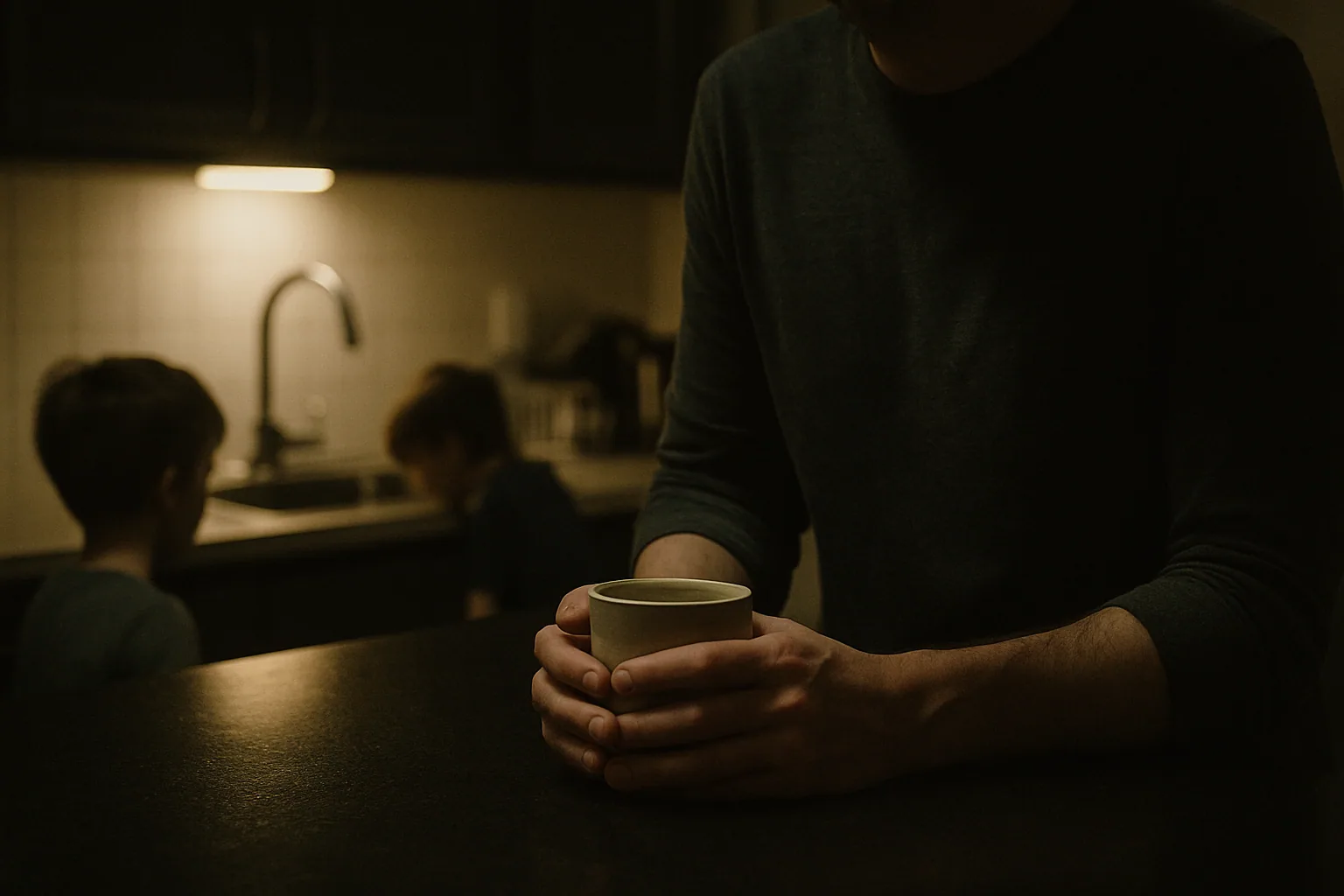
When a kid says, “I want to quit,” parents often hear a verdict on the sport, the season, or the money already spent. The child may mean something narrower: I hate this team, I am exhausted, or I cannot keep doing four nights a week.
Do not argue with the first sentence. Find out what it contains.
Start with the pattern, not the label
The American Academy of Pediatrics’ 2024 clinical report on overuse, overtraining, and burnout notes that about 70% of children stop organized sports by age 13. That number describes participation, not one universal reason for leaving.
Ask when the feeling started and where it shows up. A child who dreads one coach but still plays at recess may be done with the setting, not the sport. A child who feels flat at practice, games, and casual play may need a wider reset.
Use a question that creates room: “If one thing about this season could change, what would you change?” Then listen for the specific cost.
- The setting: coach behavior, teammate conflict, role, or playing time.
- The load: too many practices, travel weekends, or too little unstructured time.
- The pressure: fear of mistakes, constant evaluation, or feeling responsible for an adult’s mood.
- The fit: the level, position, or program no longer matches what the child wants.
- The choice: another activity matters more now.
If the answer appeared after one hard practice, use the bad-week or burnout check before making a season decision.
Change the configuration before the argument
Once you know what the child wants to leave, test the smallest honest change. A different team, lower level, shorter season, new position, or real offseason may keep the part they still enjoy.
Do not promise a fix you cannot deliver. If the coach is the problem and there is no other team, say that plainly. If the schedule is hurting the whole family, name the family limit without asking the child to carry the guilt.
Recovery is not a reward for playing well. The same AAP report advises at least one rest day each week and two to three months away from a specific sport across the year. That guidance is a planning reference, not a diagnosis for an individual child.
For a coach or team leader trying to improve the environment, the separate guide on why kids quit and how coaches can prevent it addresses practice design, feedback, and belonging. This page stays with the parent’s decision at home.
Know when stopping is the answer
The goal is not to keep every child in every sport. It is to avoid confusing one repairable problem with a final decision, or treating a settled decision like a character flaw.
Consider finishing a short commitment when the setting is safe, the child can function, and teammates are relying on them. Do not use “finish what you started” to trap a child in humiliation, threats, harassment, or a setting that feels unsafe.
For a younger player, when your kid wants to quit offers a fuller conversation script. For an older teen whose decision has held, use the 15-plus walking-away guide to plan a clean exit.
Watch what happens outside the sport too. Persistent changes in sleep, eating, mood, school, pain, or anxiety cannot be sorted by a blog post. Bring those concerns to the child’s pediatrician or another qualified health professional.
End with one clear sentence: “I am not going to make you prove that this is hard. I do want us to understand whether you need a break, a different version, or an ending.”
That conversation protects the relationship whether the gear comes back out next season or not.
Sources reviewed
- American Academy of Pediatrics, Overuse Injuries, Overtraining, and Burnout in Young Athletes, 2024.