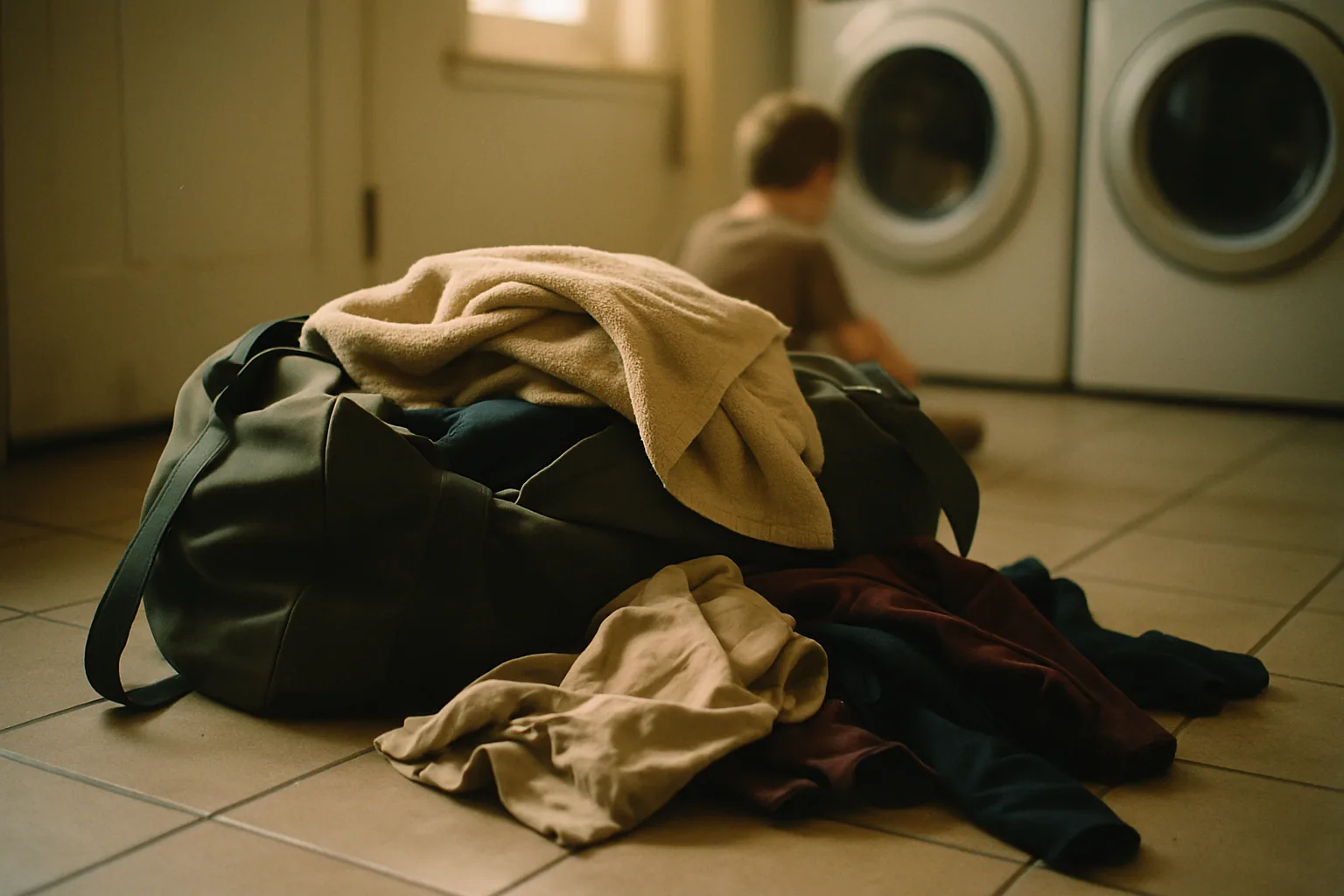
Sunday night. 8:45 p.m. The camp you signed up for in February starts at 9 a.m. tomorrow. The bag is packed.
Your kid is on the kitchen floor saying they do not want to go. You have twelve hours and a nonrefundable fee on the line.
Figure out which problem you are solving before you decide.
Name which of the three it is
Ordinary anxiety about the unknown that usually settles after a day or two on site.
A specific problem: a friend who is not going, a peer they fear, a coach conflict, or a bad prior day at the same camp.
True overload: the kid is depleted and telling you they need a break. Ask specifically what they are worried about.
If they say they do not know, stay with one follow-up about what they were thinking when this started. Persistent uncertainty often points to anxiety.
If they name a concrete person, place, or memory, treat it as a real logistics problem. If they say they are tired and the summer already holds multiple camp weeks, take overload seriously.
Match the response to the cause
For ordinary anxiety, you usually still go. Anxiety predicts doom. The corrective is doing the thing with support.
Say you know they are nervous, you are going anyway, and you will check in midweek. If midweek is still a mess, revisit.
For a specific problem, solve the named thing. Call the director about a peer conflict.
Confirm which friends are actually attending. Ask how coach groupings work.
Most concrete fears shrink when they have a plan. If safety is the issue, use how to vet a camp for safety rather than pep talk.
For overload, stay home. Eat the fee. A depleted kid who is believed learns that hard weeks can be named without a fight.
The dollar amount varies by camp. The trust math does not.
Signals and the next morning
Do not assume you already know which of the three it is and push through on payment alone. That can work for pure jitters and still be the wrong call for overload.
Watch for stacked signals: two or more camp weeks already done, extra sleep, weekend irritability, lost interest in usual activities, more screen time as avoidance. If several stack, lean toward rest.
Whatever you decide Sunday night, keep Monday morning calm. Do not relitigate breakfast.
If you are going, talk about something else. If you are staying, plan a quiet day, not a replacement theme park.
The hardest part of parenting an eight-year-old in summer is that the calendar moves faster than the kid does. Most of these moments are about whether the kid believes you will listen the next time something hard comes up.
That is why the Sunday-night sort matters more than one perfect camp week. Get the category right, and the next booking conversation starts cleaner.
A quiet Monday is not a reward for meltdown theater. It is rest with a boundary: no second camp shopping spree, no guilt lecture, and no surprise double-book for next week until you have both slept on it.
After the week
If they went, debrief once: what was hard, what was good. If they stayed, ask whether the rest helped and how they feel about the next booked week.
Use that data next time instead of a fresh power struggle. For future bookings, compare options with how to evaluate a summer camp and the first overnight packing checklist.
Browse the camps directory if you need a different fit, or submit a listing if you run a program with strong first-day support.