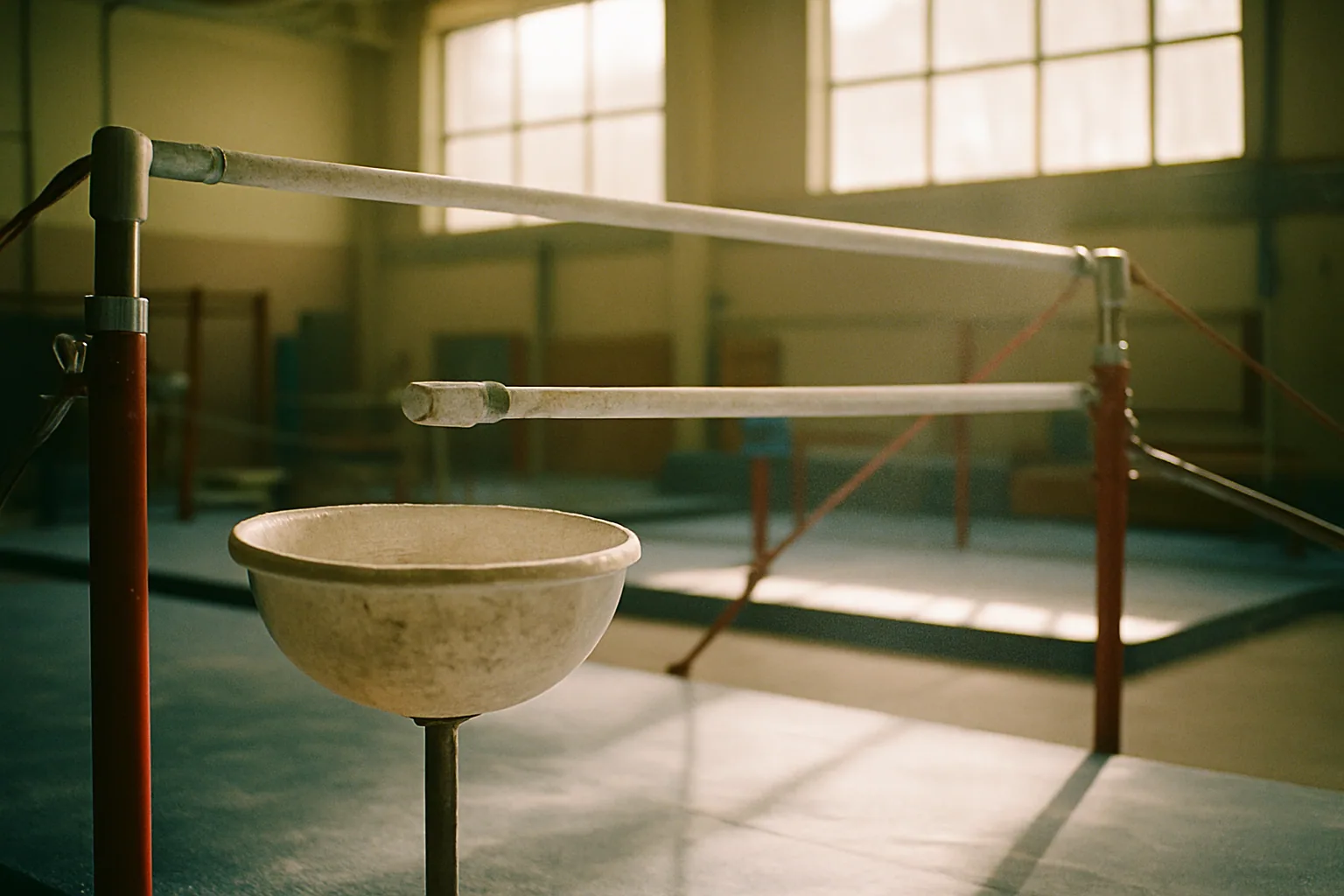
Gymnastics training volume at the competitive levels is real. A Level 5 gymnast is often training 12 to 16 hours per week. That is on top of school, homework, and the rest of childhood. For most kids, that load is manageable. For some, it tips over into something that leaves marks.
The physical signs are the more obvious ones. Persistent soreness that does not resolve with a rest day, even with the foam rolling and recovery work what to buy for gymnastics recommends between sessions, is not normal soreness. Wrist pain, shin pain, or lower back pain that keeps coming back is not normal either.
Repeated minor injuries in the same spot. Fatigue that looks different from normal tired: the kind where the kid falls asleep in the car and cannot get up in the morning and the pattern holds week after week. Growth plate injuries, which gymnastics training can stress, often present first as vague localized pain that parents attribute to normal soreness. They are not always normal soreness.
The behavioral signs are quieter but worth paying attention to. A kid who used to be excited about the gym who now drags their feet on gym days. A personality shift where the kid is more irritable, more tearful, or just flat in a way that does not match who they are. Declining performance in practice despite working hard. The athlete who is trying but cannot hit skills they could hit two months ago.
None of these signs by themselves means overtraining is happening. Some of them are normal growing pains of competitive sport. But if you are seeing multiple signs together and they have been present for more than two or three weeks, that is worth taking seriously.
Start with a pediatrician. A sports medicine physician who works with young athletes is better if you can access one. They can assess for stress injuries, check growth plates on an X-ray if there is localized bone pain, and give you a clear read on whether training volume is appropriate for where your kid is physically.
Then talk to the gym. Not accusatorially, and not in the car on the way home when you are already tense. Ask the coach directly what the training plan looks like this month, how they are monitoring fatigue, and what the protocol is when an athlete reports pain. Gyms that handle this well will have answers. Programs that dismiss parent concerns about physical signs should concern you.
The well-established risk in gymnastics for kids in this age range is stress fractures, particularly in the lumbar spine (spondylolysis) and the wrists. These are not rare in gymnasts and they are not catastrophic if caught early. They become a bigger problem when they are trained