The cast list went up in September, October weekend rehearsals are already on the calendar, and then the studio parent email lands with a volunteer signup link and four tabs of empty slots. Backstage parents run the show. Artistic staff cannot cover every dressing room alone.
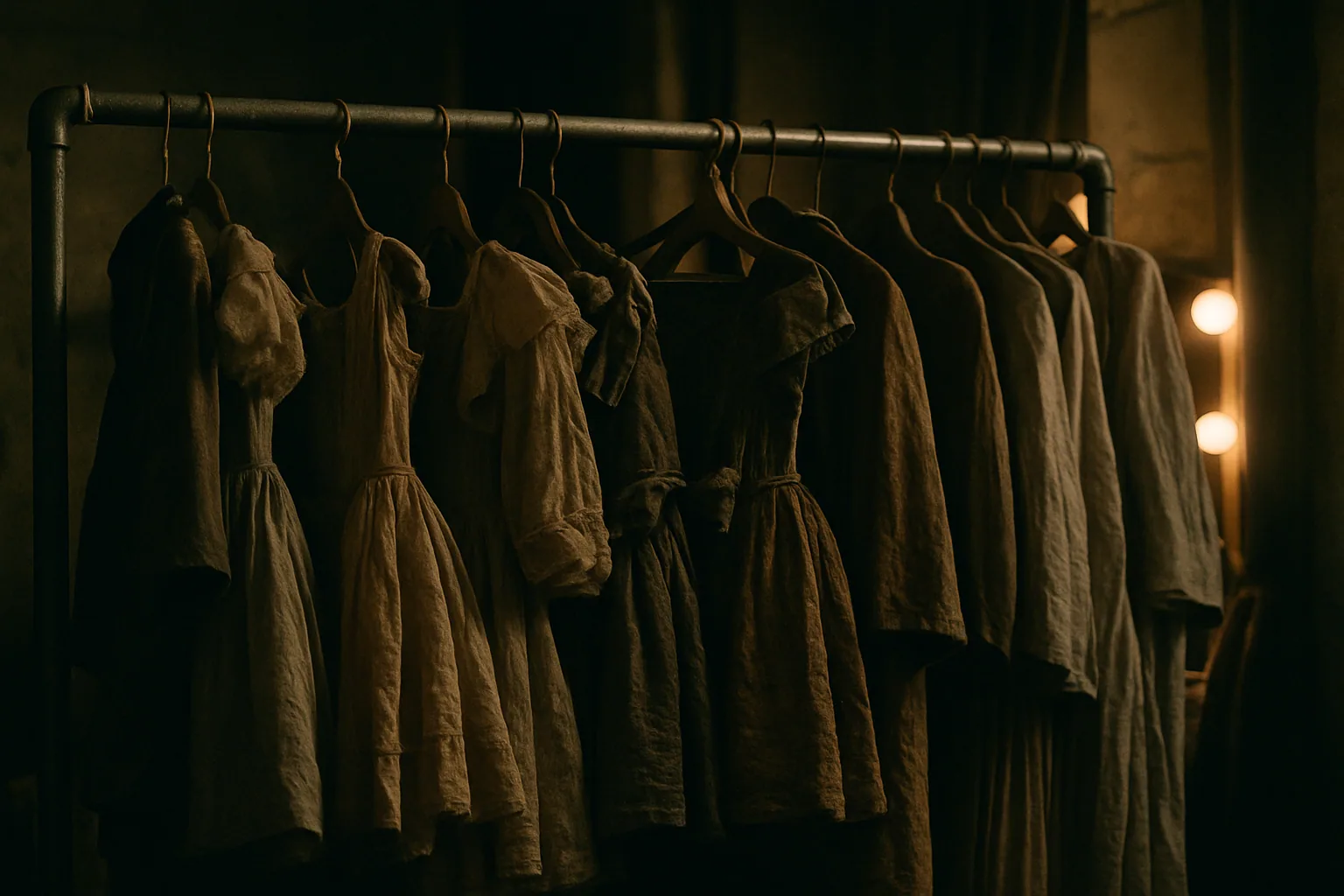
A Nutcracker with multiple casts and dozens of kids cannot move through a theater on coaches alone. Dressing-room parents live in one room for a performance block, keep kids quiet enough to hear cues, and help with hairpins, shoes, and the missing left ballet shoe. Quick-change crew swaps pieces in seconds.
House parents handle tickets, programs, late seating rules, and the family that brought a toddler to a two-hour show. Lobby shifts are shorter. Merchandise tables cover flowers, cast gifts, and the table that funds next year’s costume budget.
Dance training is optional. Showing up on time for the call you signed is not. October signups exist because rehearsal weekends are when the production stops being abstract and starts needing assigned bodies.
Sign when the October link opens, not the week of tech. One shift type is enough for most families. A parent already driving to every weekend rehearsal who also grabs four lobby shifts will be useless by Thanksgiving weekend calls.
Ask the volunteer coordinator whether your shift overlaps your dancer’s call. Some studios pair you away from your own kid on purpose, and that is a feature rather than a snub. Many studios keep volunteer parents out of sight lines so cues stay clean.
For the month-by-month map, studio ballet Nutcracker timing shows October rehearsals through December theater week. For the dancer-side survival arc, read what December actually looks like, which covers the family schedule from cast list through December performances.
This one is only the labor chart. Pick one column on the board and leave the other three for someone else.