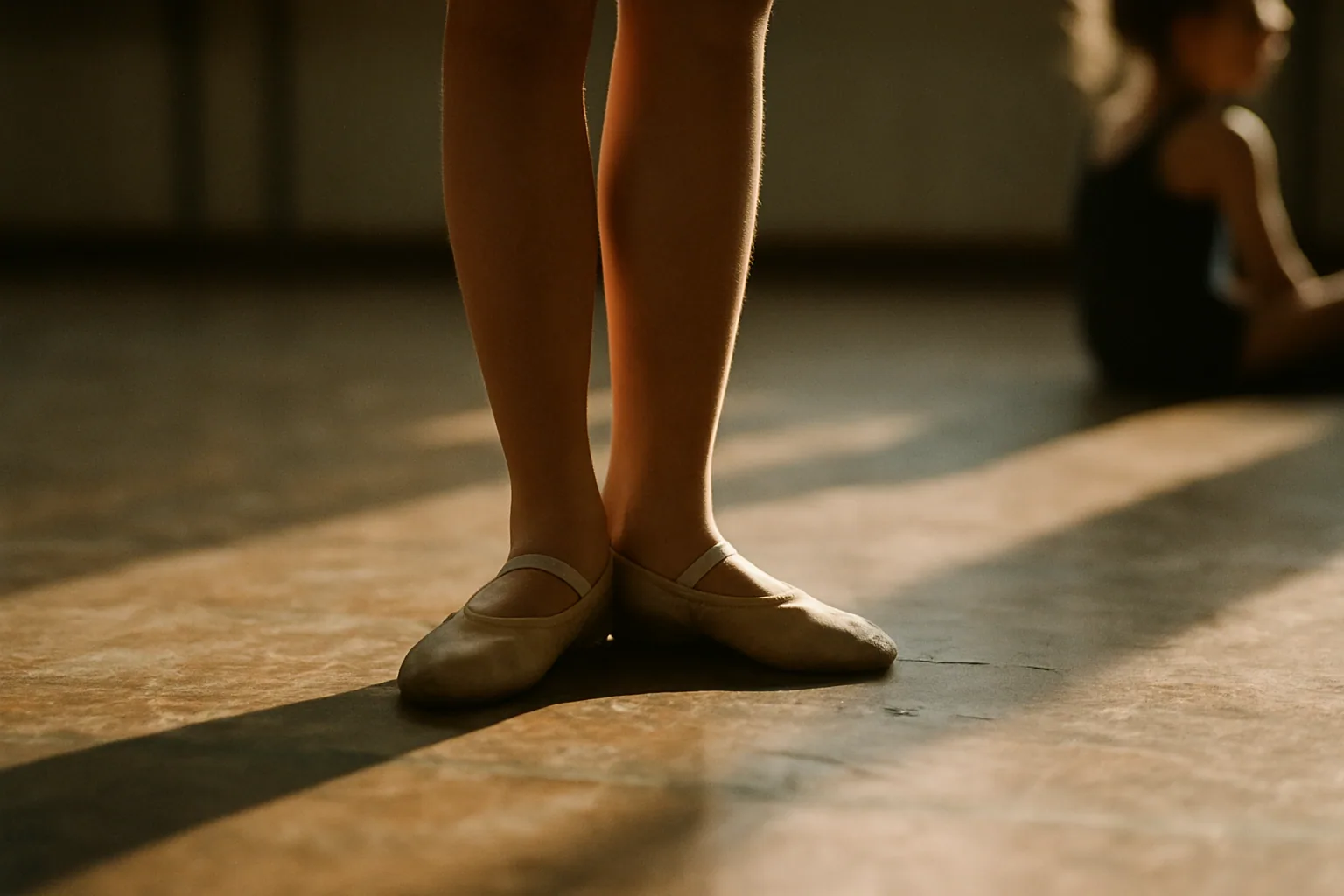
October 1. The cast list went up at the studio at 4 pm. She is a party girl. She found out the same time everyone else did, by walking up to the studio bulletin board with her dance bag still on her shoulder.
By 4:15 you had the rehearsal calendar in your phone. By 4:30 you realized your entire December was already gone.
Welcome to Nutcracker season.
The schedule arc
Most studio Nutcrackers follow this rough arc.
Mid-September. Auditions for casting. Each kid auditions for the parts they qualify for based on age and training level.
Early October. Cast list goes up. The kid finds out their role.
October. Rehearsals begin, usually on Saturday or Sunday afternoons. Each scene rehearses separately. Your kid might rehearse one or two hours per week.
November. Rehearsal time increases. Often two or three rehearsals per week. Some scenes rehearse for hours at a time.
Last week of November to first week of December. The crunch. Studio runs through the whole ballet. Tech week begins. Costume fittings. Lighting design.
Performance weekend. Usually the second or third weekend of December. Multiple shows, sometimes four to six performances Friday through Sunday.
After. The kid crashes. So does the family. The holidays start the day after.
The role tiers
Most studio Nutcrackers cast students from the youngest pre-ballet kids through the most advanced pre-professional students.
Youngest ages (5 to 7). Usually party scene children, mice, or angels. Small roles. Mostly walking, posing, and a few simple steps. Total stage time per show: 5 to 10 minutes.
Middle ages (8 to 11). Often soldiers, polichinelles (under Mother Ginger), or party scene older children. More choreography. More rehearsal time.
Upper ages (12 to 15). Snowflakes, Spanish, Arabian, Chinese, Russian, or Marzipan dancers. These are real ballet roles with technical demands.
Most advanced (15 and up). Clara, the Sugar Plum Fairy, the Cavalier, the Snow Queen, the Dew Drop. These are professional-level roles and rare for studio students.
The casting is usually fair, based on training level and age. The studio is not auditioning for Broadway. It is staging the ballet with the dancers it has.
The first rehearsal
Your kid will come home from the first rehearsal slightly confused. The choreographer will have shown them five different things at once. They will remember about a third of it.
This is normal. The choreography sets in over the next four to six rehearsals. Do not test them at home. The next rehearsal will reset their memory.
What you can help with at home. Practice the music. If they know what part of the song they enter on and what part they exit on, the choreography will fall into place. Most studios will give the music for each scene.
What to pack for rehearsals
A snack. Granola bars, fruit, sandwiches. Rehearsals run through dinner.
A water bottle.
Their dance bag with the correct shoes for the role. Ballet shoes for party scene. Pointe shoes for older scenes. Character shoes for some specialty dances.
A homework folder. Long rehearsals are good study time during breaks.
A small mirror and hairbrush. Buns get fuzzy after three hours.
A jacket or hoodie. Studios are cold during long rehearsals when kids are sitting around.
The costume fitting day
The costume fitting day is usually a Saturday in late November. The studio brings out all the costumes from storage, and the kids try them on.
Some costumes are reused year after year. They may smell faintly of mothballs.
Some costumes are altered for the kid. Hems taken up. Bodices taken in. The fitting day is when this happens.
Some studios make families pay for costume rental or use. Sometimes it is included in the rehearsal fee. Confirm before the season.
Some costumes are reused but require purchase of specific items like white tights, white camisole, or hair pieces. The studio will give a list.
Hair and makeup
Hair is a real thing for Nutcracker.
Most studios require a slick ballet bun for the show. Not the loose bun your kid wears to class. A real, tight, slick bun.
Bun kits are sold at most dance stores. They include a foam donut, hair pins, hairnet, and gel. Cheap. Worth it. The ballet gear guide lists the ones that hold up through a full tech week.
Some studios have makeup requirements. Stage makeup for kids 10 and up is common. Foundation, blush, eyeliner, mascara, lipstick. The kid will look surprisingly grown up. Take pictures.
A few notes on makeup. Use age-appropriate cosmetic brands. Test for allergies on the wrist before the show day. Have the kid practice applying it at home before tech week so they can do it themselves on show day.
Tech week
The week before performances, the studio rents the theater. Tech week begins.
Tech rehearsals are long. Often 4 to 8 hours per day for a kid in a major role, less for smaller roles.
The kid will be at the theater for hours waiting to do their few minutes on stage. Pack them with snacks, books, and patience.
Most studios have parent volunteer schedules during tech week. They need backstage chaperones, costume assistance, and front-of-house help. Sign up for one shift. You will see the show from a different angle.
The performances
Performance days are full days. Even a 7pm show requires the kid to arrive at the theater two to three hours early for warm-up, hair, makeup, and costume.
Eat before the show. Pasta, rice, bread. Nothing heavy. Nothing that will sit in the stomach.
Bring water for backstage. Most theaters have water fountains but kids forget to drink.
Pack a robe or jacket to wear over the costume during waits backstage. The kid will be cold.
Take photos at the theater before the show. Bring family. The “kid in costume with grandparents” photo is one of the keepers.
Do not let family watch the dress rehearsal. The show should be the show. Save the surprise.
The parent lobby in December
Nutcracker season is the most intense stretch on the studio calendar, and the lobby reflects it. Parents have feelings about casting, costumes, and rehearsal schedules. Some of it spills into conversations between sets.
Stay neutral. Be polite. Cheer for everyone’s kids. Do not feed the gossip.
You will see these parents for the next ten years. Make friends. Steer clear of the drama you don’t need to be in.
After the run
The kid will be wrecked after closing night. Most kids cry. Some sleep for 14 hours.
Take a few days off. Then back to class.
The next week the studio will start the spring planning. Auditions for the spring production. Summer intensive applications. Pointe shoe reorders.
The cycle continues. Welcome to ballet. December will look like this for years if your kid sticks with it.
The thing nobody tells you
The Nutcracker is a tradition. Some dancers do their first Nutcracker at age 5 and their last at age 18 in the same studio’s production. Thirteen years of December performances.
By the end, the music is a part of the family. The costumes feel familiar. The pre-show ritual is a holiday tradition all its own.
This is the gift of being a ballet family. Other families have a tree. You have a tree and a ballet. Both can be wonderful.
Take pictures every year. Save the costume photos in a folder. By the time the kid is 18 you will have a record they will not forget.