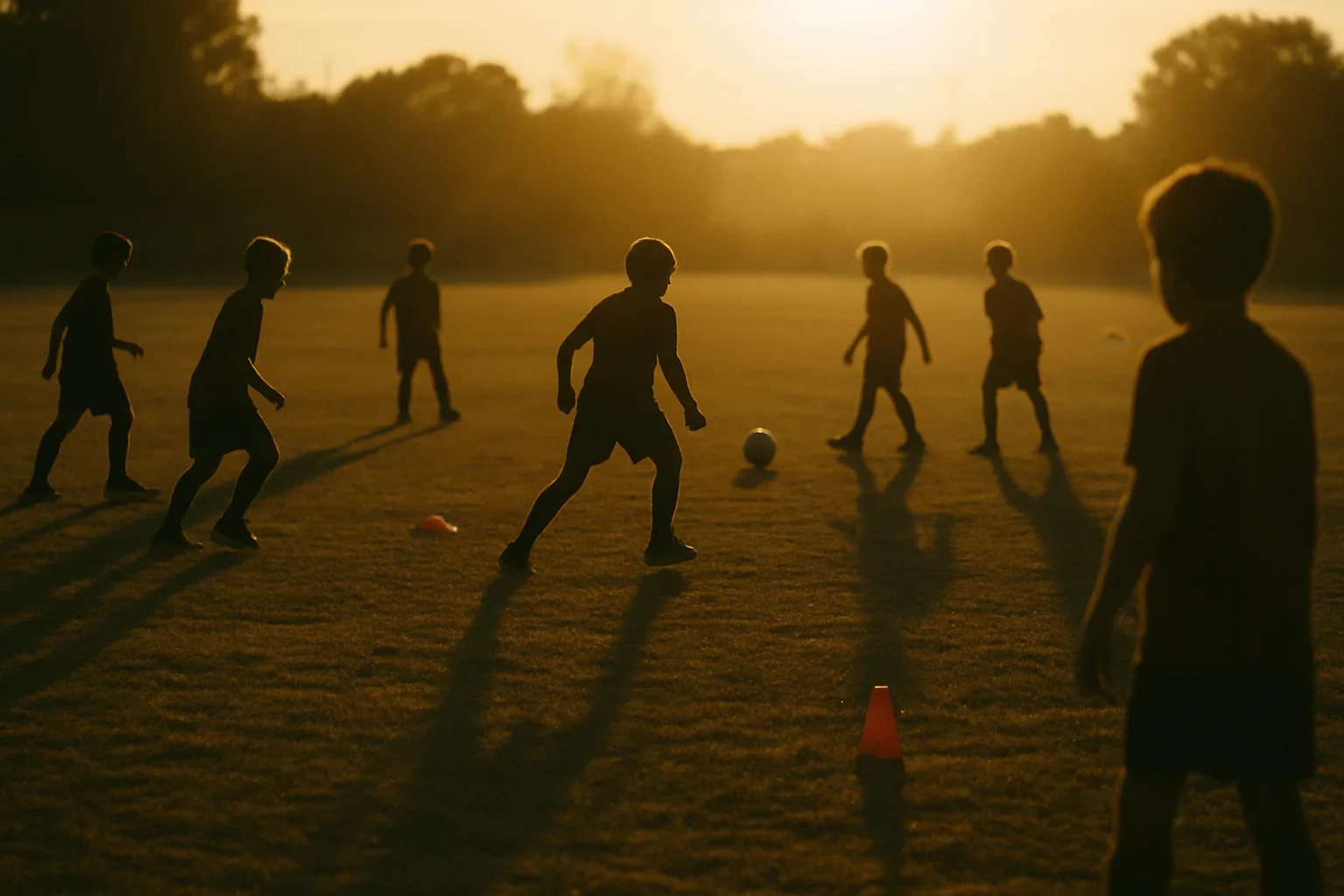
Pack water and a quick carb, like orange slices or half a banana. For a routine match, that covers halftime. Add a small protein on tournament days or when lunch was hours ago, and save sports drinks for long or hot sessions.
This post contains affiliate links, and we earn a small amount when you buy through them. We only recommend products we use ourselves.
TL;DR:
- Water first. Stanford Children’s Health puts sports drinks at sessions over 60 minutes.
- Orange slices, bananas, and melon give quick carbs plus fluid. Pretzels and mini bagels are the low-mess backups.
- Portions change with age, game length, and how long ago your kid ate.
- Slice grapes and skip whole nuts and hard candy for kids under five. Keep cut fruit cold.
- A packed cooler bag and a five-minute night-before routine beat a fancy menu.
Table of Contents
- 1. Specific Halftime Snack Ideas by Category
- 2. Hydration and Timing: What to Give and When
- 3. Age and Portion Guidance: How Much to Give by Age Group
- 4. Food Safety and Choking Risks: What to Avoid
- 5. Quick Halftime Packing Checklist and Five-Minute Prep Routine
- 6. Coordinating Snack Duty Between Parents and Coaches
- 7. Why Simple Beats Fancy at Halftime
- Where to Find Parent-Coach Gear for Game Day Logistics
- Sources
- FAQ
1. Specific Halftime Snack Ideas by Category
Halftime lasts a few minutes. The snack has to digest fast, sit light, and fit in one sweaty hand while a coach talks.
Fruit does the most work for the least effort, and it beats the usual junk food swaps on a sideline. Orange slices travel well and bring fluid with the sugar. A banana, halved for little kids, gives steady energy, and watermelon cubes work if they stay cold.
Some kids want something drier. A mini bagel, a few pretzels, or whole-grain crackers do the job without a sticky mess.
Small proteins earn a spot on tournament days, or when lunch was a long time ago. Think string cheese or a yogurt pouch.
Keep a shelf-stable backup in the car. An applesauce pouch or a granola bar saves the day you forget the cooler.
- Fresh fruit: orange slices, banana halves, watermelon cubes
- Easy carbs: mini bagel, pretzels, whole-grain crackers
- Small proteins: string cheese, yogurt pouch, for long game days
- Shelf-stable backups: applesauce pouch, granola bar
- Quick combos: half a sandwich, with sunflower seed butter as the peanut-free swap
2. Hydration and Timing: What to Give and When
Water is the drink for a normal match. Stanford Children’s Health suggests about 1 cup every 15 to 20 minutes during play, and points to sports drinks for sessions over 60 minutes.
So the habit matters more than the bottle. Small sips at halftime beat one huge gulp, and a kid who says “I’m thirsty” is already behind.
- Offer small sips during the break instead of one big drink
- Save sports drinks for long sessions, tournaments, and heat
- Skip energy drinks completely, since no young athlete needs the caffeine
Heat changes the math. On a scorching tournament day with heavy sweating, a sports drink helps replace what kids lose.
3. Age and Portion Guidance: How Much to Give by Age Group
Age is only part of the answer. Game length, the last meal, and whether another game is coming matter just as much, so use these bands as a starting point.
- U6 to U8: half a banana, a few orange slices, or a small handful of crackers
- U9 to U12: a full banana, a string cheese, or half a sandwich on a long day
- U13 and up: fruit plus a granola bar, or a full sandwich between tournament games
US Youth Soccer’s fuel sheet lists water plus fruit, if needed, for halftime, and says sports drinks aren’t recommended there. It also asks parents to consider whether a snack is even necessary. On tournament days, it suggests fruit when the next game is under an hour away and a real meal when there are two hours or more between games.
For timing meals around kickoff, our pre-game meal timing guide breaks it down by age.
4. Food Safety and Choking Risks: What to Avoid
A few foods cause more trouble than they’re worth. The CDC’s guidance for children under 5 flags whole grapes, hard candy, and nuts as choking risks for little kids.
Slice grapes lengthwise, skip hard candy, and choose softer textures. Toss cut fruit that has sat out more than two hours, or more than one hour when it’s above 90°F, and keep it in a cooler with ice until it’s eaten.
- Slice grapes lengthwise
- Skip hard candy and whole nuts for kids under five
- Keep cut melon cold, and toss it after an hour in the heat
Pro Tip: Have kids stand still while they eat. Running with a mouthful is the easiest way for a snack to become a scare.
5. Quick Halftime Packing Checklist and Five-Minute Prep Routine
A routine beats a good memory. Keep a cooler bag stocked with water bottles, cut fruit, an easy carb, a small protein, wipes, an ice pack, and a card listing team allergies.
- Fill water bottles and add ice the night before
- Slice fruit into a sealed container in the fridge
- Grab one shelf-stable backup
- Toss in wipes and a small trash bag
- Check the allergy card before you leave
| Variant | Snack swap |
|---|---|
| Peanut-free | Sunflower seed butter sandwich instead of peanut butter |
| Dairy-free | Applesauce pouch instead of yogurt or string cheese |
| Vegetarian | Whole-grain crackers with fruit instead of turkey sandwich |
For more ideas that travel well, see the end-of-game snack guide.
6. Coordinating Snack Duty Between Parents and Coaches
Send one text before the season: “Any allergies on the team I should know about before I sign up for snack duty?” That single question prevents a halftime scramble.
On tournament days, pack a bigger cooler. For the rest of the day, use our hydration by the numbers guide and post-game snack roundup.
7. Why Simple Beats Fancy at Halftime
Homemade trail mix looks great in a group chat photo. At halftime, though, kids have a few minutes, sweaty hands, and a coach talking over the noise.
What works is boring on purpose: fruit, water, maybe a cracker. Put your energy into the water habit, because a kid who sips all game rarely needs a halftime plan at all.
Where to Find Parent-Coach Gear for Game Day Logistics
Snacks are one piece of sideline prep. Our buying guides cover the coolers, bags, and bench tools that keep halftime calm.
- Parent-coach gear guide for what’s worth having on the bench
- At-home training gear guide for practice between games
This article is general information, not medical advice. Ask your child’s doctor about allergies or any medical condition that changes what they can eat before, during, or after a game.
Sources
- Sports hydration tips (Stanford Children’s Health)
- Safer food choices for children under 5 (CDC)
- Healthy fuel for healthy athletes (US Youth Soccer)
FAQ
What do soccer players eat during halftime?
Orange slices, a banana, or a few crackers, plus water. Tournament day? Add string cheese or half a sandwich between matches.
What are some good snacks for halftime?
Fruit, mini bagels, pretzels, and applesauce pouches all digest fast and make little mess. A sunflower seed butter sandwich covers peanut-free teams.
What should a 12 year old eat before a soccer game?
US Youth Soccer suggests a real meal three or more hours before kickoff, with whole grains, fruit, and vegetables on the plate. Thirty to sixty minutes out, fruit like a banana or an apple is enough.
Why do soccer players eat oranges at halftime?
Orange slices bring quick sugar and fluid in one package that a kid can eat in seconds. They’re also easy to portion for a whole team.