Elite rosters, playing-time fights, parent cliques, and coach calls that feel unfair. Travel ball has all of it.
The families who stay sane are the ones who stay out of it, and staying out comes down to one boundary.
The boundary that keeps you out
Your kid plays, you watch, and you go home. Everything else on this page grows from that.
The usual mistakes are easy to spot: weighing in on roster decisions, venting to other parents about minutes, lobbying the coach for a position. Each one adds friction, and none of them gets your kid on the field.
If a coaching decision bothers you, ask once, privately, as a question. I noticed she’s been on the bench more. What is she working on?
Then accept the answer, even if it isn’t the one you wanted to hear. How to talk to your kid’s coach covers the timing that keeps that conversation friendly.
Parent groups and roster drama
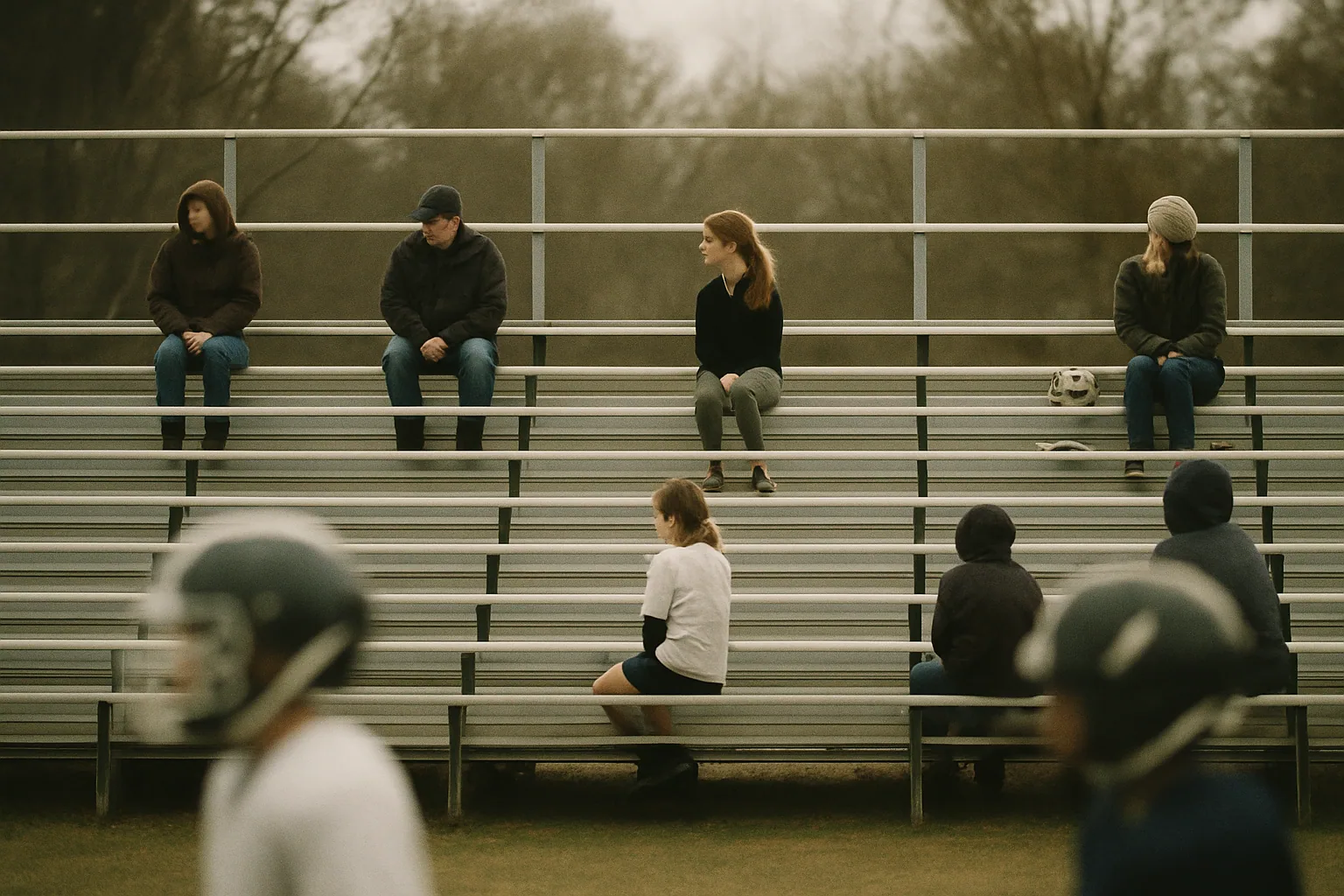
Travel teams build tight parent circles: carpools, hotel lobbies, tournament dinners, the cluster that always sits together in the same corner of the stands. Be friendly. Be choosy about what you share.
Stay out of group texts about playing time. Don’t bad-mouth coaches or other families, and keep your kid’s private lessons and workout plan to yourself, because that stuff multiplies.
If your kid lands on the B team instead of the A team, it stings. Don’t make it your fight by emailing the director or telling your kid the cut was unfair.
She plays the B team and gets better. Next year she tries out again. For how minutes get handed out once the roster is set, see the playing time formula.
When to step in
Schedule clashes with school deserve one early conversation. Decide your family’s rule, tell the coach in September, and handle each real conflict when it shows up.
Safety is different. If you suspect a coach is abusing a child, report it to local law enforcement or child protective services first, then to the program. For unsafe practices short of abuse, take it straight to the program director.
In Olympic-sport programs, the U.S. Center for SafeSport takes reports from parents and asks that suspected child abuse go to local authorities before it comes to the Center.
Short of a safety issue, the coaching style belongs to the coach. You get one private question per concern and a quiet ride home.