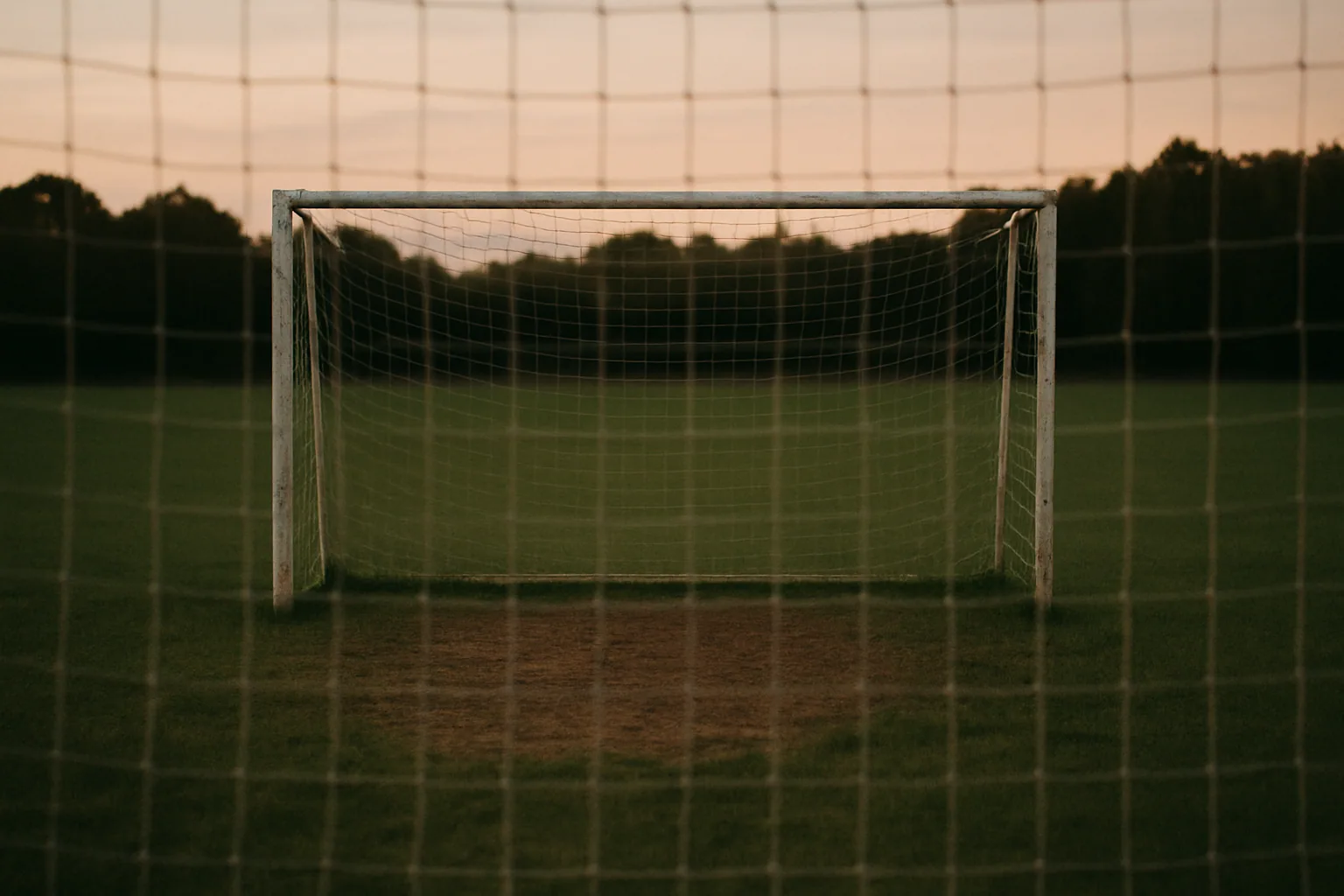
Run a 30-minute session built on a few core drills to train handling, footwork, shot-stopping, and distribution in keepers ages 6 to 14. Rotate through drills kids enjoy repeating.
This post contains affiliate links, and we earn a small amount when you buy through them. We only recommend products we use ourselves.
- The core six are rolling ball scoops, color reaction, footwork patterns, low dives with safe falling, quick reaction shots, and distribution.
The plan scales by age. Younger kids get more play, while older kids get more repetition and diving work.
Key Takeaways
Short, age-matched drills in a timed 30-minute plan build the four core keeper skills safely.
| Point | Details |
|---|---|
| Start with the core six | Scoops, color reaction, footwork, low dives, reaction shots, and distribution cover the basics. |
| Keep blocks short | Six-to-eight-minute blocks with real rest beat one long, tiring stretch. |
| Rotate keepers when young | US Youth Soccer has every player try goal at U8 to U10 and identifies keepers from U10 to U12. |
| Land safely, always | Teach the side roll before any standing dive, and stop for real pain or dizziness. |
| Use a full plan for more | Our 60-Minute Practice Blueprint turns this keeper session into a full field practice. |
Table of Contents
- What You’ll Need for Youth Goalkeeper Training
- Warm-Up and Hand-Eye Prep Before Drills Begin
- 8 Goalkeeper Practice Drills That Build Real Game Skills
- A Copy-Ready 30-Minute Goalkeeper Practice Plan
- Age-Appropriate Progression for Youth Goalkeepers
- Safety and Injury Prevention for Young Keepers
- A Note on Coaching Your Own Kid in Goal
- Run a Better Practice With Parent Coach Desk
- Sources
What You’ll Need for Youth Goalkeeper Training
You don’t need much gear. Bring the right size balls for the age, small goals or cones to mark the goal, flat markers for footwork, pinnies for several keepers, optional gloves, and a first-aid kit.
Check the surface for holes, rocks, and standing water before any diving. One coach can handle a small group of keepers with clear rotations.
Warm-Up and Hand-Eye Prep Before Drills Begin
Rushed warm-ups invite injuries. Give keepers five real minutes before asking their hands or knees to do anything sudden.
- Side shuffles and high knees across the goal box (60 to 90 seconds)
- Partner throws and catches, standing and kneeling (2 minutes)
- Rolling ball scoops from a partner feed, alternating hands (2 minutes)
Keep it playful for the youngest keepers. Older kids can add ladder footwork and reaction cues from the coach.
Pro Tip: Stay on your toes. That one cue carries into every drill that follows, from the first scoop to the last dive of the day.
Wrist or shoulder pain during throws? Slow down.
8 Goalkeeper Practice Drills That Build Real Game Skills
Build the season around these eight, since each trains one skill and flexes up or down by age.
-
Rolling Ball Scoops. Ages 6 to 14, four to six minutes. A partner rolls balls at different speeds, and the keeper scoops with two hands, chest low. Cue: “get your body behind it.” Easier: slower rolls. Harder: add a bounce before the scoop.
-
Color Reaction. Ages 8 to 14, five minutes. Set three colored cones; the coach calls a color, and the keeper shuffles to touch it before facing a shot. It pairs a decision with movement.
-
Three-Cone Footwork. Ages 6 to 14, four minutes. The keeper shuffles around a triangle of cones, staying square to an imaginary shooter. Cue: “small quick steps, chest up.” Easier: two cones. Harder: finish with a shot.
-
Low Dive Progression. Ages 9 to 14, six to eight minutes. Start kneeling and work up to a standing collapse dive onto a soft surface. Cue: “lead with your hip, not your face.” Easier: seated saves rolling to the side. Harder: standing dives from a set stance.
-
Quick Reaction Shots. Ages 8 to 14, five minutes. The coach stands eight feet away and hits low, medium-pace shots that need a fast first step. Cue: “hands ready before the shot.” Easier: underhand tosses. Harder: two-touch rebounds.
-
Recovery Scramble. Ages 9 to 14, five to six minutes. After the first save, a second ball comes right away like a rebound. Easier: pause between balls. Harder: three-ball sequences.
-
1v1 Breakaway. Ages 10 to 14, six minutes. A field player dribbles in from 20 yards, and the keeper reads the angle and closes down. Cue: “get big, then get small.” Easier: the attacker starts closer and slower. Harder: add a chasing defender.
-
Distribution Target. Ages 6 to 14, four minutes. The keeper rolls or throws to a cone, then to a moving teammate. Cue: “step and point where you want it to go.” Easier: shorter distances. Harder: light pressure from an attacker.
Pick two or three per session. Repetition with rest beats a long, exhausting list.
A Copy-Ready 30-Minute Goalkeeper Practice Plan
This works with one keeper or four, solo or with a helper feeding balls.
- Warm-up (4 to 5 minutes): side shuffles, partner throws, rolling ball scoops.
- Skill Block 1 (8 to 10 minutes): three-cone footwork into rolling ball scoops, switching keepers every 90 seconds.
- Skill Block 2 (10 to 12 minutes): quick reaction shots into the low dive progression, the block worth protecting.
- Finish (3 to 5 minutes): a small 1v1 or distribution target that puts the day’s work into a game decision.
- Cool-down (1 to 2 minutes): light stretching and a word of encouragement.
With a few keepers, alternate work and rest. With a bigger group, run stations so nobody waits in line, and if a keeper is fried mid-drill, end a minute early and switch to something lighter.
Age-Appropriate Progression for Youth Goalkeepers
US Youth Soccer’s goalkeeper development guide lays out a clear progression. At U6 to U8 it’s fun ball games and hand-eye work, and at U8 to U10 every player takes a turn in goal.
- U6 to U8: fun catching games, balance, and agility.
- U8 to U10: everyone plays keeper, with goalkeeper work a couple of times a month.
- U10 to U12: keepers start to emerge, and full-time keepers may develop.
- U12 to U14: a full-time keeper or two, with keeper training built in at least once a week.
Keep sessions brief for the youngest kids. Move to a harder version only when the current one is calm and repeatable.
| Point | Details |
|---|---|
| Rotate when young | Every player tries goal at U8 to U10. |
| Match drills to age | Games for the youngest, footwork and handling next, diving and distribution for the oldest. |
| Progress on consistency | Move up when a drill is calm and repeatable, not just occasionally right. |
Safety and Injury Prevention for Young Keepers
Diving and repeated throwing strain shoulders and hips when mechanics are off. Teach kids to land on the side of the body and roll, spreading the impact instead of taking it on one point.
- Teach the side roll before any standing dive.
- Add light shoulder work for older keepers who dive a lot; the same rest-and-recovery logic that protects climbers’ joints applies.
- Stop right away for sharp pain, dizziness, or a landing that looks wrong.
- Keep dive blocks to six to eight minutes with real rest.
- End every session on a good save.
A Note on Coaching Your Own Kid in Goal
Your kid is in goal, gets scored on, and you’re suddenly managing two sets of feelings. Set the expectation early with your kid and the team that mistakes in goal are part of learning the position. Our mental skills guide has more on keeping confidence after a rough rep.
Run a Better Practice With Parent Coach Desk
Drills are only part of a session. The 60-Minute Practice Blueprint builds a full field practice around this keeper plan with the same timed blocks.
New to coaching your own kid, or three seasons in? Start Here covers the questions every parent-coach eventually faces, from playing time to team communication.