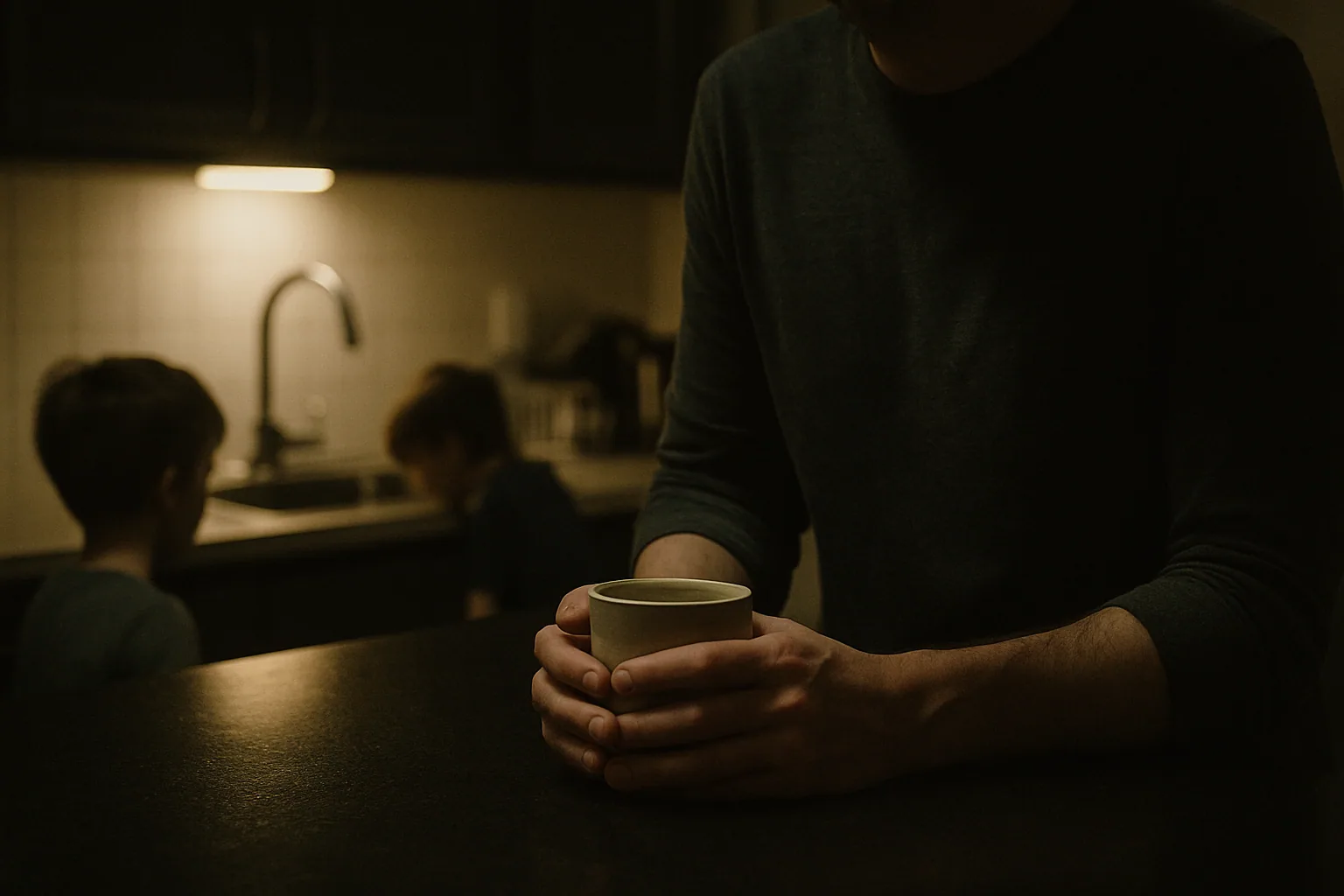
It’s the first week of June. You’re filling out the rec league sign-up. You ask your kid offhand if they want you to coach again this fall.
They don’t answer right away. Then they say, Maybe someone else this year?
There’s a moment after that sentence where you have to choose how to react. Most parent-coaches blow it.
What it doesn’t mean
It doesn’t mean they don’t love you.
It doesn’t mean you were a bad coach.
It doesn’t mean they want to quit the sport.
It doesn’t mean they are pulling away in some big developmental sense that you should be worried about.
The instinct is to read the sentence as a referendum on your relationship. It almost never is. It’s a kid asking for a normal kid experience.
What it actually means
Your kid is at an age where their friends are becoming the center of their world.
They want to be coached by someone whose voice is not also the voice that tells them to clean their room. They want practice to be the place where they’re a teammate, not somebody’s kid. They want to make a mistake at practice and have it be coached by an adult they don’t have to live with afterwards.
This is healthy. This is the same instinct that makes a 10-year-old not want to be tucked in by their mom in front of their friends. It is not a rejection. It’s a kid figuring out where the seams are between their athletic life and their family life.
The kids who can articulate this at 11 are doing better than the kids who can’t. Most kids can’t, so they say it as maybe someone else or can I just play, not have you coach. Same idea.
The reaction that makes it worse
The reaction that makes it worse is to treat the sentence as a wound.
I thought you liked having me coach.
Are you embarrassed of me?
Did I do something wrong?
Now your kid has to manage your feelings on top of trying to ask for a normal thing. They will back off the request, sign up for your team, and the whole season will be quietly weirder than it needed to be. They will also be slower to ask for the next thing they need.
The other bad version is to overcorrect into nonchalance. Cool, no problem. Then a week of being colder than usual. The kid feels that too.
The reaction that works
The reaction that works is short, warm, and lets them off the hook.
Yeah, that makes sense. Let’s see who else is coaching this fall.
That’s it. Don’t make them justify it. Don’t ask them to explain. Don’t process your own feelings about it in front of them. The conversation lasts ten seconds, and they walk away knowing they got to ask for what they wanted without it costing them anything.
You can have your own feelings about it later. With your spouse. In the car alone. With another parent-coach friend who has been there. Your kid is not the place to put those.
What you do with the rest of your fall
You do not coach. You watch.
You go to the games. You sit in the stands. You let some other dad run the dugout. You watch your kid play in front of you, in a way you haven’t seen since they started.
This is one of the great parent experiences and most parent-coaches never get to have it because they always have a clipboard. You get to be the dad in the chair. You get to clap. You get to be quiet on the way home and let the other coach be the one who said the thing about the third inning.
You will be surprised how much more you see your kid as a kid when you are not also evaluating their fielding.
When they ask you to coach again
Sometimes they do. Two seasons later. They ask if you’d think about it.
Don’t make a big thing of it. Yeah, I’d love to. You sure? One question. Let them confirm.
The kids who ask their parent to come back as coach are doing it because they got to compare. They missed something specific. The post-game car ride, maybe. The way you knew which mistakes to ignore. They’ve earned the choice both ways.
If they don’t ask you to coach again for the rest of their athletic life, that is also fine. You got the seasons you got. The relationship is the part that lasts. The dugout was a place. The car ride home is the place that mattered.
Coaching your own kid in front of the team is the long-form essay on the dual role. Three drives, one relationship is the framework piece on why the post-game window outweighs the on-field reps.