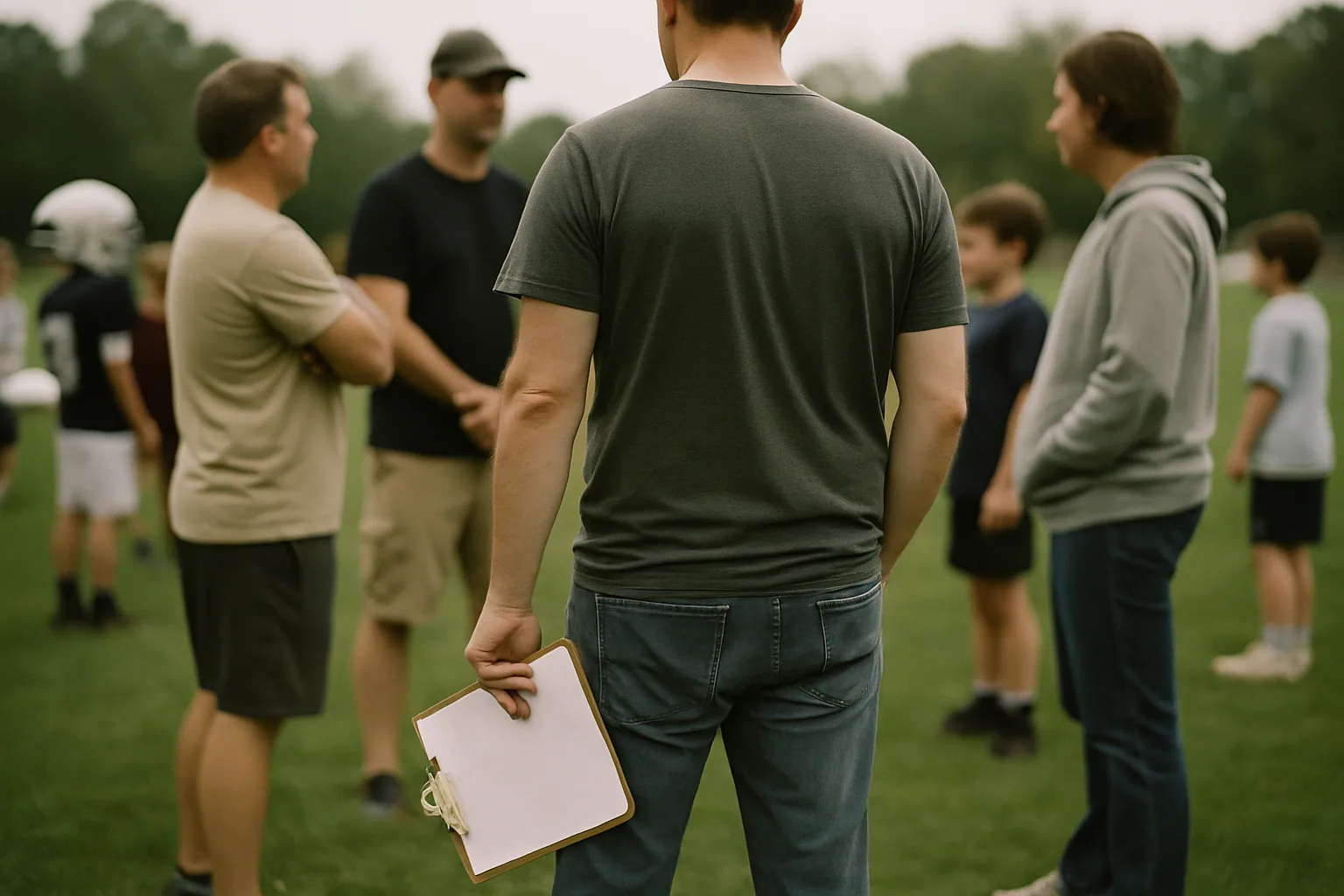
Most coaches do everything themselves, and the players learn to wait.
Setup, breakdown, water, energy, culture management. Adults handle all of it. Players arrive, participate on command, and leave. The arrangement is efficient in the short term and counterproductive in the long one. It teaches athletes that their only job is to perform when directed, which is the opposite of what sports is supposed to develop.
The team jobs system starts with one shift in thinking: players can handle real responsibilities, and handling real responsibilities makes them better athletes and better people. You don’t need a special curriculum or extra practice time. You need a list, a rotation, and the willingness to let go of some things you’ve been doing yourself.
Here’s how the system works.
Before the season, identify the roles your team actually needs. Every team’s list will look slightly different depending on sport and age, but most programs can use some version of these eight.
Equipment Captain manages setup and breakdown. Before practice, gear is out and organized. After practice, everything is collected and properly stored. This is not busywork. This is real logistics, and the athlete doing it is responsible to the whole team. If the equipment isn’t ready, practice starts late. That accountability is felt.
Water Captain manages hydration stations during practice. Bottles are filled, stations are organized, teammates are reminded to drink. This sounds small. To a seven-year-old, it’s a real job. To a twelve-year-old who takes it seriously, it’s a service mindset that carries over.
Warm-Up Leader assists with the beginning of practice. They lead the team through movement activities, call out reps, set the energy. This is visible, it’s in front of the group, and it requires a player to be organized and prepared. Rotate this role to players who need the confidence stretch, not just the ones who are already comfortable out front.
Encouragement Captain watches for teammates doing things well and says something about it. Out loud, in the moment. This role builds the habit of recognizing effort and improvement in others, which is a skill most adults still struggle with. The player who spends a season in this role starts doing it automatically long after the job title is gone.
ACE Spotter identifies Attitude, Character, and Effort during practice. Not outcomes, not skill. ACE. This player is watching the team for moments that reflect the values of the program and naming them at the end of practice. It changes what the ACE Spotter pays attention to and over time changes what the whole team pays attention to.
Team Photographer captures the season. Photos from practice, photos from games, photos from team moments. This role produces content for team memory and gives the athlete holding the camera a different perspective on their team. They’re documenting something. That’s a point of view.
Cleanup Captain leads post-practice organization. The field, court, or gym is left better than you found it. This is character work disguised as logistics. Teams that clean up after themselves are doing something that most people don’t do, and the habit matters.
Communication Captain handles team reminders, sometimes through a group chat or message board depending on age. Start times, what to bring, what to wear. This role works well for older groups and gives the athlete a real administrative function.
Once you have the roles, assign them at the start of each week and post the list where everyone can see it. Keep the rotation moving so that every player has every job over the course of a season. The athlete who is always Equipment Captain learns one thing. The athlete who has been Equipment Captain, Encouragement Captain, ACE Spotter, and Warm-Up Leader has learned four different things about how a team functions.
The rotation also handles a problem that coaches often don’t address directly: the bench player who feels invisible. Playing time and responsibility are not the same thing. The player who doesn’t get much game time can still be the Encouragement Captain who teammates notice and appreciate. They can be the Warm-Up Leader whose energy sets the tone for practice. They have a real job. They matter to the team’s functioning. That’s not a consolation prize. It’s a different form of contribution, and it’s one that teaches something the starters aren’t learning in the same way.
For very young athletes, keep jobs simple and concrete. Two or three roles with clear visual prompts. The six-year-old who is Water Captain knows exactly what that means: before practice, fill the bottles. During practice, remind people to drink. After practice, collect the bottles. Simple, visible, completed. Success is obvious.
For older athletes, add complexity. The Encouragement Captain writes one specific example from practice on a whiteboard at the end of the session. The ACE Spotter gives a sixty-second report to the team on what they observed. These players are practicing articulation, observation, and public speaking in the context of something they care about.
One thing to anticipate: some players will take jobs seriously from day one and some will need reminders and accountability. Both are fine. The player who forgets their job is not a problem to eliminate. They’re a player learning that other people depend on them, which is the point. Hold them to it calmly and consistently. Don’t do the job for them. Let the natural consequence show up, which is usually mild and educational.
Tell parents about the system before the season starts. Some parents will see their child in the Cleanup Captain role and wonder why their kid is picking up cones instead of getting extra reps. Explain it. The accountability, service, and leadership that come from these roles are not separate from athletic development. They’re part of it.
The best athletes most coaches have had were not just skilled. They were organized, aware of others, accountable to the group, and willing to work without being watched. Those qualities don’t come from skill drills. They come from real responsibility, taken seriously, over time.
The team jobs system is a low-cost way to build them. Start with three jobs. Rotate weekly. Watch who rises.
The failure modes are worth knowing so you can sidestep them. The most common one: jobs get assigned and then never mentioned again. The Equipment Captain shows up and the equipment is already set up because the coach got there early. The Water Captain never hears whether the water situation was handled well or not. When jobs exist only on paper and coaches don’t reinforce them with recognition and accountability, they fade within two weeks. Treat the jobs like you treat any other team responsibility: notice when they’re done well, correct when they’re done poorly, hold the standard consistently.
The second failure mode is assigning jobs but keeping all the real decisions to yourself. If the Warm-Up Leader suggests a different activity and you override it without explanation every time, the role becomes hollow. Let them lead. If an activity isn’t working, coach them through it. “What could you try differently?” is more useful than taking back the role. The player is developing leadership skill. That development requires real authority, not just a title.
A third issue: parents who don’t understand the system and undermine it at home. The parent who does their kid’s Equipment Captain job for them before practice, or who dismisses the role as not important, erodes what you’re building. Brief parents on the system before the season. Explain what the jobs are, why they exist, and what would help: don’t do the job for your kid. Let them own it.
For coaches running programs with significant age range, consider a mentor structure. Older players who’ve been through the jobs take younger players through them in their first season. The older athlete is reinforcing their own ownership of the system by teaching it. The younger athlete gets a peer model instead of an adult model, which lands differently. Both benefit.
The life skills embedded in this system are worth naming explicitly with players, not in a lecture, but in specific moments. When a player handles a real piece of equipment that breaks mid-practice and manages the situation without prompting, say so: “You figured that out. That’s what we’re after.” When an Encouragement Captain names something specific and true about a teammate’s effort, call it out in front of the group: “That’s what this team looks like from the inside.”
Players who go through a full season with rotating responsibilities carry something forward. The accountability they practiced. The experience of being trusted with something real. The memory of a team where everyone had a job and the jobs mattered. Those things don’t leave.
And for the coach: you get to stop doing everything yourself. That’s not a small thing either.