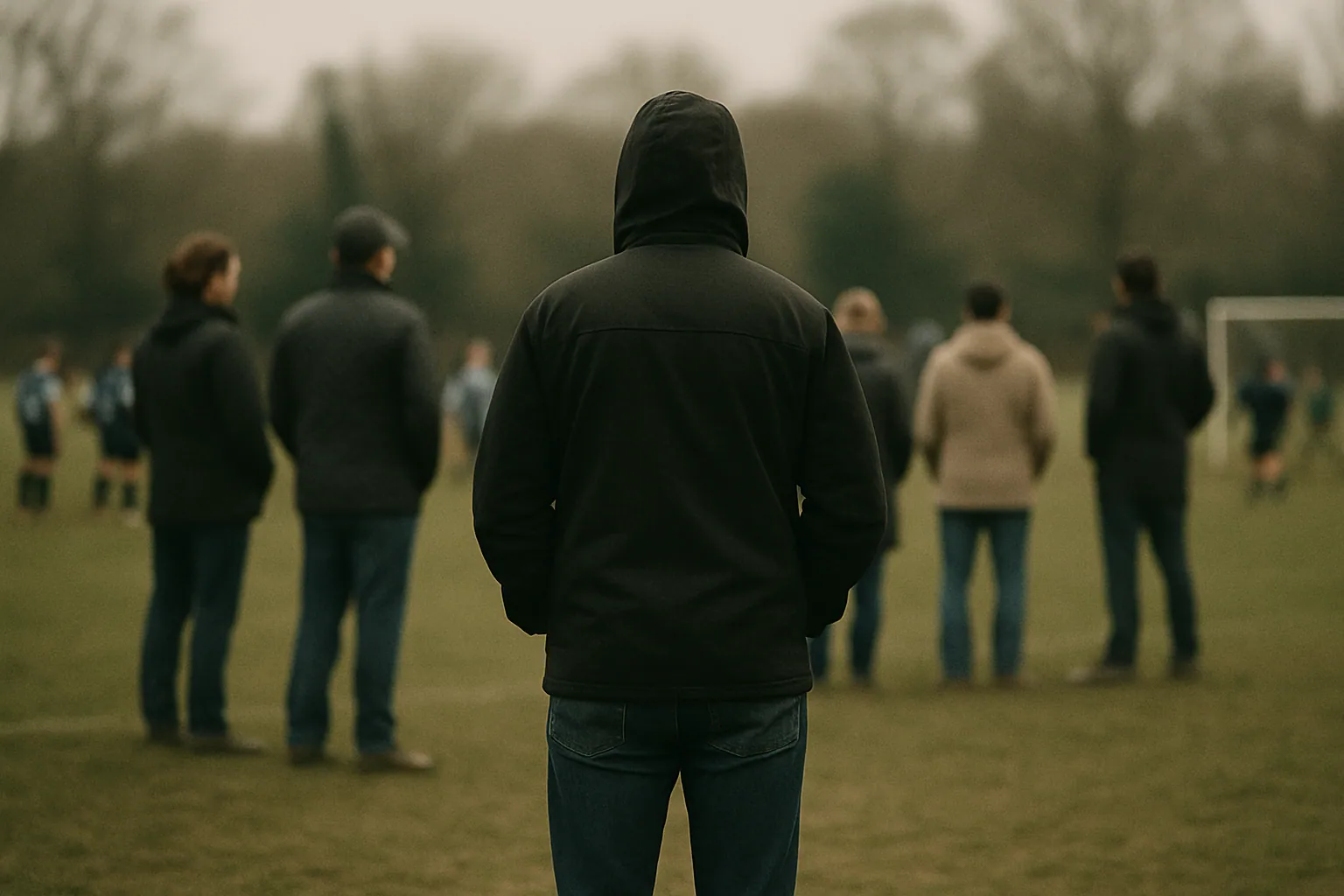
The kid who burned out in April did not just burn out in April. The signal usually started showing up in December or January. The problem is that the early signals are easy to explain away, a bad week, a cold, some school stress, a rough patch with friends. By the time the pattern is undeniable, the kid is often already halfway out the door.
Burnout in youth athletes is different from fatigue. Fatigue goes away after rest. Burnout is a more systemic state where the athlete’s relationship with the activity has been depleted. The physiological and emotional reserves that fuel motivation are gone and rest alone does not refill them quickly. Getting ahead of it requires recognizing the early signs, not just the late ones.
The earliest sign is attitude change around the sport, not during it. Kids who are burning out often start dreading practice days before practice days arrive. The Tuesday morning mood is different from the Monday morning mood. There is a weight that settles in as the activity approaches. They are not unhappy in general. They are unhappy when the sport enters the frame.
Compare this to a kid who has a bad practice. That kid might be grumpy afterward. The burnout kid is grumpy before. That direction matters.
The second early sign is physical complaints without medical cause. Stomachaches before practice. Headaches on game days. Fatigue that shows up specifically on sport days and not on other days. These are real physical sensations, not faking. The body is expressing stress that the mind has not found words for yet. Parents who hear “my stomach hurts” every Tuesday and Thursday before practice are hearing something important.
The third sign is declining effort without a decline in skill. A kid who is burned out may still be technically capable at the sport but the effort to execute has become expensive in a way it didn’t used to be. They are going through the motions. The internal competition, the kid who was always pushing to do the drill faster or the rep cleaner, has gone quiet.
Coaches who watch players closely can see this. The kid who used to sprint to the cone and now jogs. The player who used to be the first to ask for another rep and now leaves the moment the drill is done. The athleticism is still there. The drive that used to fuel it is depleted.
The fourth sign is loss of spontaneous enthusiasm. The kid who used to talk about the sport at dinner without being asked has stopped. The kid who used to practice in the driveway on off days has stopped. The questions about the next game, the interest in watching professional games, the chatter about teammates, all of it goes quieter than it used to be.
Not every kid who becomes less enthusiastic is burning out. Interest naturally waxes and wanes in youth sports. But a sustained quieting of enthusiasm, over weeks and months rather than a bad week, is the signal worth taking seriously.
The causes of burnout matter for figuring out the intervention. Early specialization is the most common cause. A kid who has been playing one sport year-round for several years has a higher burnout risk than a kid who plays multiple sports. The recovery window, the mental and physical refresh that comes from switching activities, keeps motivation sustainable. Take that away and the reservoir empties.
Chronic over-commitment is another common cause. The kid who plays on a school team, a club team, and does private lessons every week, whose calendar has no free time between September and June, is running a deficit. Some kids manage it for a while. Many of them hit a wall.
Coaching environment matters too. A kid who spends a season in a high-pressure, results-focused program where every mistake is visible and criticism is the primary feedback mode is being asked to absorb significant stress every time they step on the field. That is sustainable for some personalities. For many kids, especially the ones who are not the best players in the program, it is not.
Once you see the signs, act. Ask the kid a direct question: “Are you still enjoying this?” and then listen carefully to what they say and what they do not say. Give them permission to say no. Then explore what would make it better before concluding that the only option is stopping.
Sometimes the intervention is a break. A week off from the sport with no expectations. Sometimes it is a reduction in commitment, dropping to a lower level or cutting the training volume. Sometimes it is a change of environment. All of those are better than ignoring the signals until the kid decides for themselves that they are done.
Burnout is recoverable. A kid who steps back for a season and comes back for the right reasons at the right level can rediscover why they cared. The one who gets pushed through to the wall and walks away for good rarely comes back.