The mistake most first-time coaches make is trying to teach too much on day one. They come in with a plan that covers three skills, two drills, and a scrimmage, and by the thirty-minute mark the kids are bored and the coach is rattled. Ambition is good. Day-one ambition in youth sports coaching usually means your best material gets buried in confusion.
One practice does one thing. That is the rule for your first season, and especially for your first session.
Before you get into the session itself, handle your arrival. Show up twenty minutes early. You need to know where the equipment is, where the bathrooms are, where kids should wait if they arrive before you do, and how the space is laid out. First-time coaches who arrive at the same time as the kids spend the first ten minutes looking disorganized. That sets a tone and it takes a while to recover from it.
When the kids start arriving, do not stand to the side looking at your notes. Get on the field. Learn names immediately. You do not need a roster sheet in your hand to do this. Just ask. “What’s your name?” and then use it twice in the next five minutes. You will not remember all of them after one session. That is fine. The effort of trying is visible and kids respond to it.
The first fifteen minutes of practice should be low-stakes movement. Whatever the sport, get them moving before you start teaching. A simple game that involves the ball or basic movement patterns, something with no wrong answers and minimal instruction. This does three things. It burns off the arrival energy, it gives you a chance to watch how kids move before you try to coach it, and it establishes that practice is active, not a lecture.
Do not open with a speech. New coaches almost always want to introduce themselves, explain their philosophy, and tell the kids what the season is going to look like. The kids are eight or ten or twelve. They want to touch the ball. Save the speech for when you have earned their attention, which is after about forty-five minutes of good activity when they are warmed up and their focus is sharp.
Structure your middle section around one skill. Pick the single most fundamental thing in your sport and build twenty to twenty-five minutes around it. Break it into a progression. Start with the basic form. Add movement. Add a partner or defender. Each step should feel like a small win so the kids experience success before you add complexity. If you can get every kid to do one thing correctly before the session ends, that is a win.
Scrimmage at the end. Kids at every level want to play, and ending with a scrimmage is the best way to give them that and let you see the sport in live context. Keep it low-pressure. Rotate so everyone plays. Resist the urge to coach from the sideline every thirty seconds. Let them make mistakes. That is the point.
The last five minutes matter. Bring them in. Say two specific things you saw today. Not “great effort” or “you guys were awesome.” Something real: one kid’s name and what they did, and one team-wide thing that was better than you expected or that needs attention next time. Then tell them what is coming next practice. Then let them go.
Two things will tell you how day one went. The first is body language at the end. Kids who had a good practice walk out with some energy left, talking to each other. Kids who had a bad practice drift out quietly and find their phones before they reach the parking lot. Watch the transition.
The second is the parent drop-off on day two. Kids who talk about practice at home come back with parents who ask you how it went. The parents who are silent at drop-off usually had a kid who said “it was fine” and left it at that. “Fine” means they were not engaged enough to have a story about it.
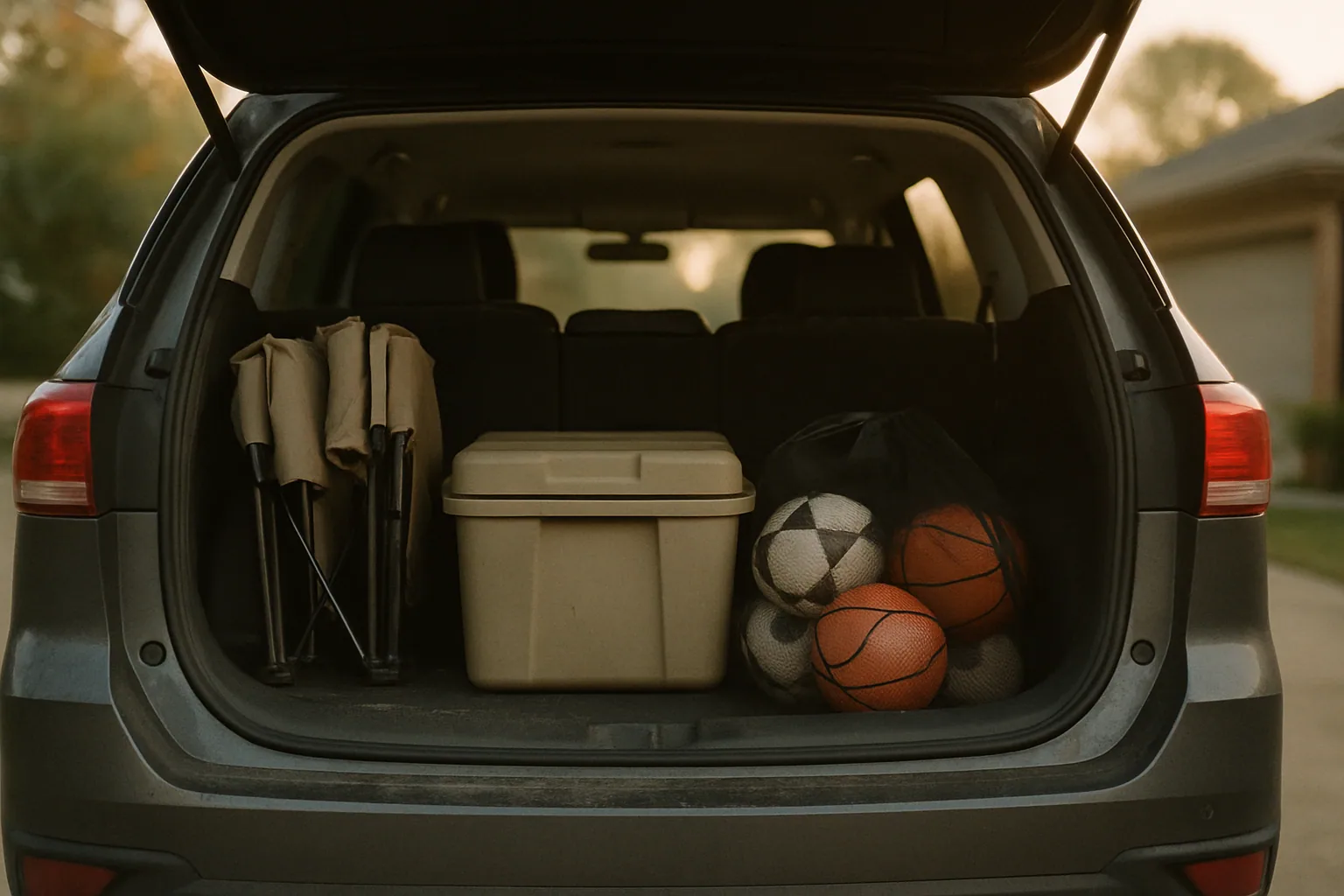
On equipment: do not assume anything is set up. Bring your own cones. Bring a pump for balls. Bring a clipboard with your session plan written out but do not stare at it. The parent-coach gear guide covers what’s actually worth having in that bag beyond the basics. Know the plan well enough to run it without checking the paper every five minutes.
On injuries: know the location of a first aid kit before practice starts. Know who to call if something serious happens. Know which parents will be present. Youth sports leagues have emergency protocols and you are responsible for knowing yours before you need them.
On problem kids: every team has one kid who tests the structure on day one. They talk when you talk, they wander during drills, they clown for the group. Your response to that kid sets the culture for the whole season. You do not yell at them on day one. You also do not ignore the behavior. Pull them aside, one sentence, direct eye contact. “I need you with me today. Are you in?” Then move on. Most kids respond to being addressed directly without an audience. The ones who do not will tell you something about what you are working with.
On parents: at the first practice, at least a few parents will want to coach from the sideline or ask you questions while you are running drills. Tell them where you want them before you start. “Parents, you’re welcome to watch from the sideline over there. I’ll have a few minutes at the end to answer any questions.” Set the boundary at the beginning so you are not enforcing it mid-drill.
Your first practice will not be your best practice. That is not the bar. The bar is: did the kids get better at something, did they enjoy it enough to come back, and did they leave knowing your name and feeling like you knew theirs? Hit all three of those and you had a good first session.
Everything else is detail you add with time.