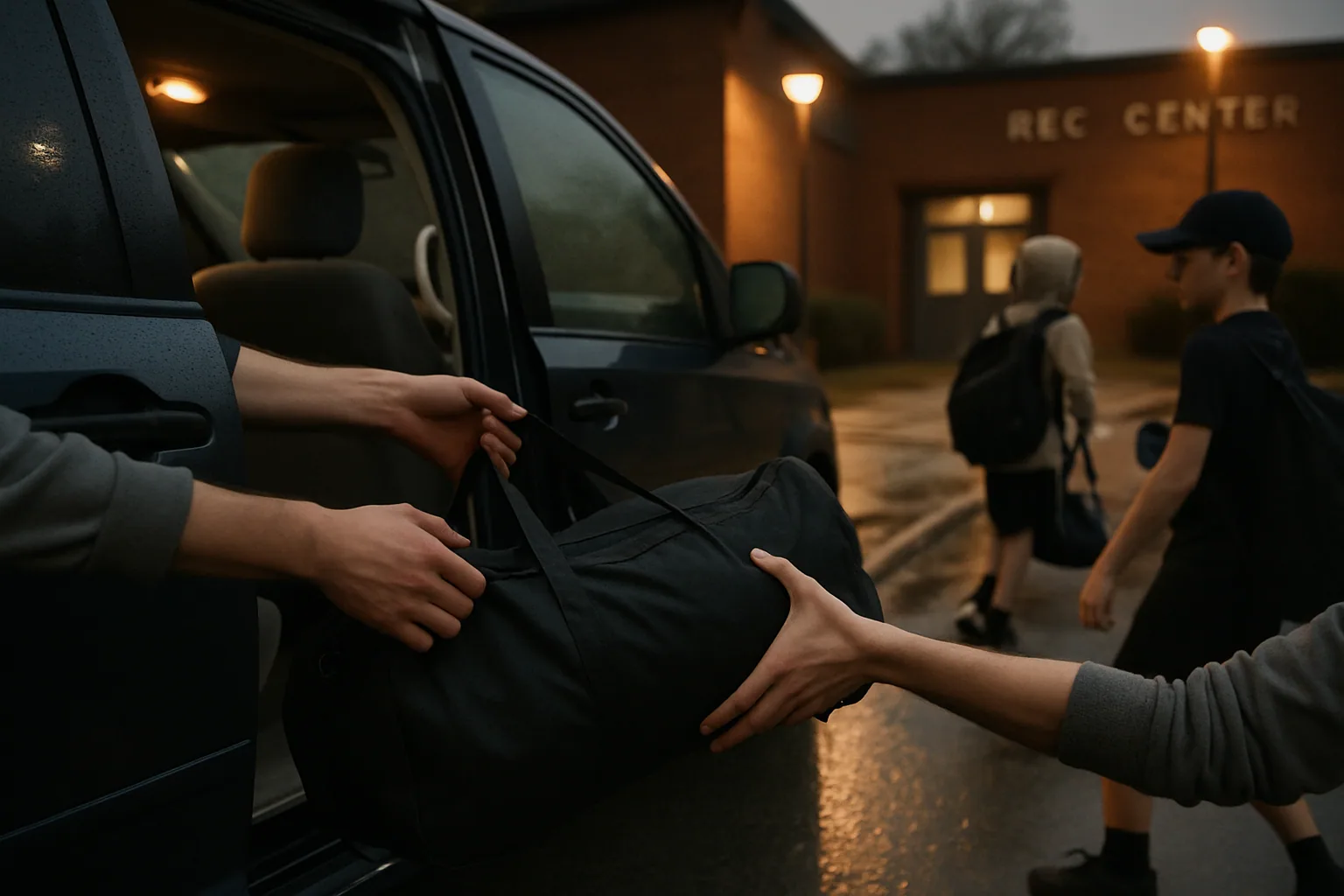
When a kid gets hurt, the adults immediately focus on the body. Appointments, imaging, timeline for return, physical therapy. All of that matters. But the thing the kid is often most focused on is a question they do not have the vocabulary to ask clearly: do I still belong here?
That question is not abstract. It is immediate and it is loud. The team went to practice on Tuesday and did not need them there. The game on Saturday happened without them. The group chat moved on. Twelve-year-olds do not process that gracefully. They interpret absence as replacement, even when no one meant it that way.
The most important principle when a player gets hurt is simple. They lost playing time. They did not lose team membership. If that distinction exists in words but not in practice, it does not exist.
Keep injured players at practice whenever it is medically appropriate to do so. This is not about putting them through drills they cannot do. It is about physical presence in the space where the team lives. When an injured player shows up, they are still in the rhythm of the season. They still hear the inside jokes. They still see what the team is building. Absence from that creates a gap that is harder to close the longer it goes.
Give them real jobs, not symbolic ones. Kids know the difference. If you hand an injured player a binder and say “keep stats,” they understand they have been given something to do to stay busy. That is not the same as being needed.
The A.C.E. Spotter role is one of the most legitimate jobs you can give an injured athlete. Their assignment is to watch the entire practice and identify which players demonstrated attitude, character, or effort. At the end of practice, they stand in front of the team and explain their choices.
They are observing, evaluating, and leading. Their role requires attention and judgment, and the team benefits directly from what they contribute.
The Equipment Captain job, the Warm-Up Leader, the Encouragement Captain: injured players can hold these roles and hold them well. The key is that the team actually depends on the role. The player has to feel the weight of real responsibility. Anything that could be skipped without anyone noticing is not the right job.
Teach the rest of the team how to support the injured player. Young athletes are often awkward around hurt teammates, not because they do not care, but because they genuinely do not know what to say or do. Simple guidance closes that gap fast.
Sit with them. Include them in conversations before and after practice. Ask them what they saw from the sideline during drills. Celebrate recovery milestones out loud: first day out of the brace, first jog, first practice back in gear. These moments matter and they deserve acknowledgment.
When a teammate celebrates someone else’s recovery, they are also learning something about what the team values. They are learning that people matter beyond what they can produce in competition. That lesson is available in sports in a way it is rarely available anywhere else in a kid’s life. But it does not happen automatically. Coaches have to create the conditions for it.
The bigger lesson underneath all of this is the one most worth teaching. We do not value people only when they can perform. Sports, at their worst, teach exactly the opposite: that your worth is your output, that you matter when you contribute stats and become invisible when you cannot.
Programs that treat injured players as full team members are teaching something different. They are teaching that commitment, presence, and identity as a teammate survive adversity. That is not a small thing.
The kid who goes through a hard injury as part of a team that handled it well has one more story about what it looks like when people show up for each other. That story follows them. Coaches who create that experience do not always know they did it. But the kid kno