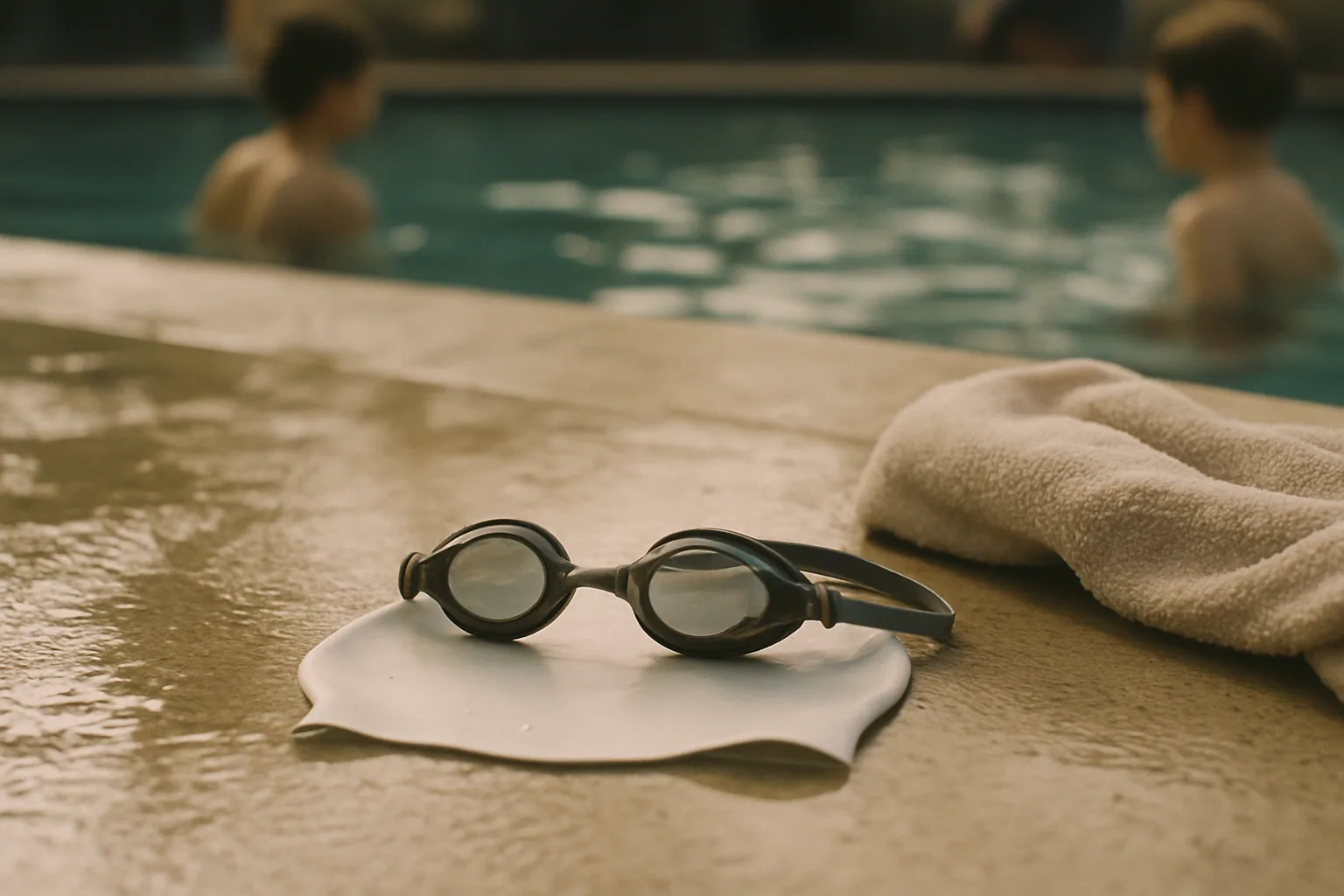
Swim team tryouts are less theatrical than tryouts in field sports because there is no real way to fake it in the water. The clock tells the truth, and coaches know what times mean at every age group.
Most club swim tryouts for 11-12 year olds run 45 to 90 minutes in the water. The swimmer will be asked to swim several timed swims, typically a freestyle sprint (25 or 50 yards), a backstroke assessment, and sometimes breaststroke and butterfly. The coach wants to see stroke mechanics more than raw speed at this age. A kid with good freestyle technique who is not fast yet is more coachable than a fast kid with a broken stroke.
Coaches are looking at a few specific things: flip turns, which many age-groupers do not have consistently; kick mechanics, because drag-generating kicks are a significant limiter; and breathing patterns, especially how many strokes a kid takes per breath and whether they drop their head excessively. None of these things are pass/fail criteria. They are diagnostic. The coach is figuring out which practice group fits.
Club programs typically divide practice groups by ability level rather than by age. A twelve-year-old with strong technique might train with older, more advanced swimmers. A slower twelve-year-old who is still developing fundamentals trains with the development group. The placement is about what environment produces the most growth, not a ranking of who is better.
Before the tryout, get your kid’s current times if they have competed before. The club will often ask for this on the registration form. If your kid has never competed and has no times, say so honestly. Coaches handle this regularly.
The day of: arrive early, be in the locker room with enough time to not be rushing onto the deck. Have a water bottle. Goggles that fit and do not leak matter more than anything else in the bag, and the swim starter gear list covers what’s actually worth buying new versus used.
The kid should eat something light two hours before, not right before. And leave the coaching to the coach. A parent standing at the end of the lane calling out cues is the version of tryout day that makes coaches quietly dread parent season.
After placement, some families are surprised when their kid ends up in a developmental group rather than the elite squad. At eleven and twelve, that placement is often where the most growth happens. The developmental group gets more individual feedback, more stroke work, and more reps. Fast development from that group is common.