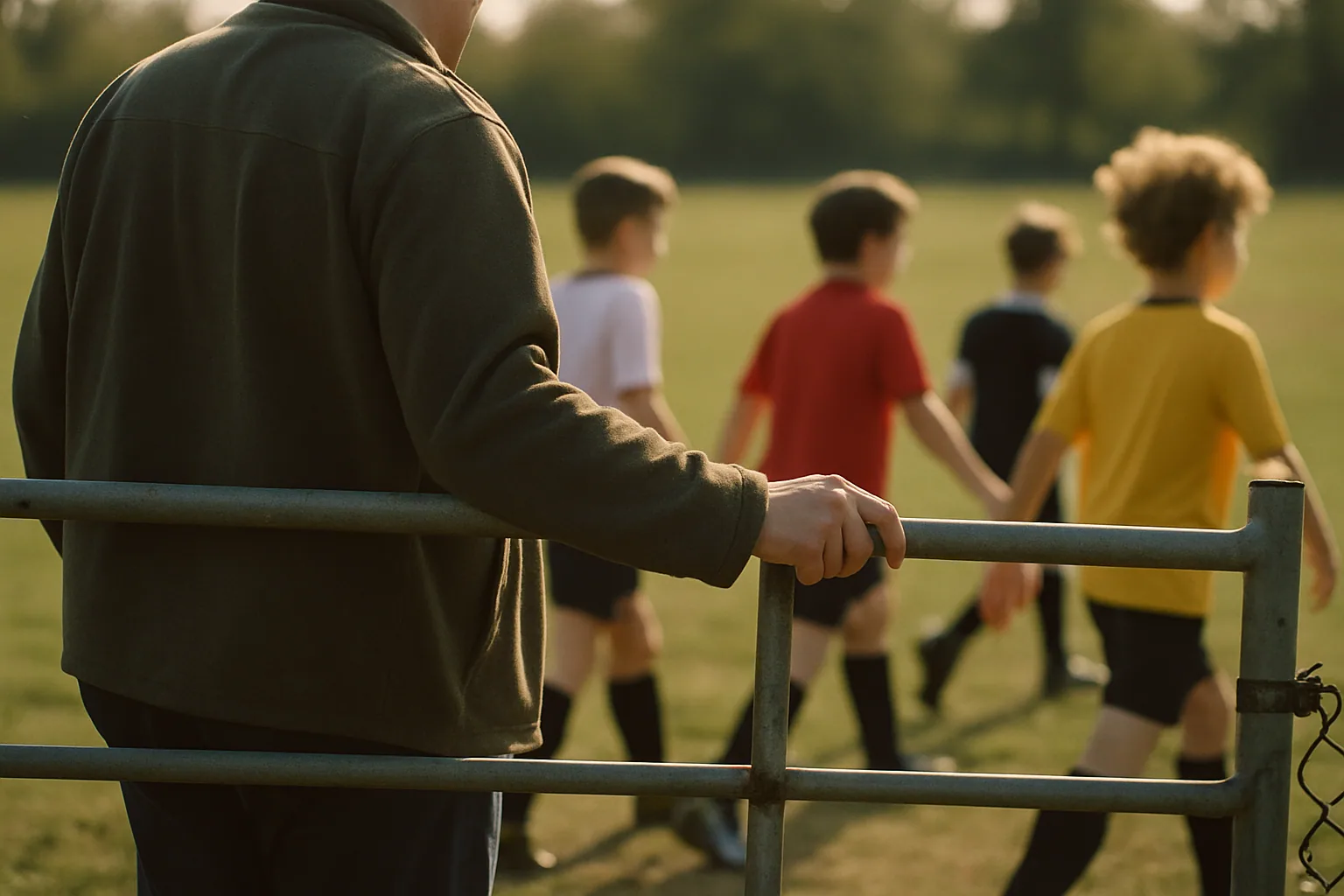
At 13-14, the volume goes up on both sides simultaneously. School gets harder as middle school becomes high school. Sports commitments increase as programs become more serious.
The collision is predictable, and most families hit it without a plan.
The thing that makes this different from an 11-year-old’s schedule: the stakes on the academic side are real now. Grades in 9th and 10th grade appear on the transcript that colleges see. A kid who blows through 9th grade with Cs because the football season was intense and nobody made a plan has a harder 11th grade than they needed to.
The academic calendar matters as much as the sports calendar. Most families know their kid’s practice and game schedule inside out. Far fewer know when the major tests, project deadlines, and exam weeks fall.
Getting both calendars into one view at the start of the season is not overengineering. It is just planning.
What actually breaks down: Thursday nights when practice runs long, homework is not done, the teacher assigned a project due Friday, and everyone is tired. This is where the system falls apart. The families who solve it are the ones who did the work before Thursday, not on Thursday.
The conversation to have at the start of the season: “Your grades are on you. Sport is a privilege that stays as long as the grades stay. Here’s what we’re going to do when both things land on the same night.” Have it in August, not in October when the first crisis hits.
When something has to give: sometimes it does. A tough stretch in October where your kid misses one practice to finish a project is not a crisis. A pattern of academic neglect driven by sport commitment is.
Most coaches, when approached respectfully and specifically, accommodate one-off academic conflicts. The ones who do not are telling you something worth knowing.
The frame that helps: sports and school are not in competition. They are the same training environment. Showing up prepared, managing time, handling pressure, and performing when it matters are skills that transfer between them.
Your kid building those habits at 14 is the actual poi