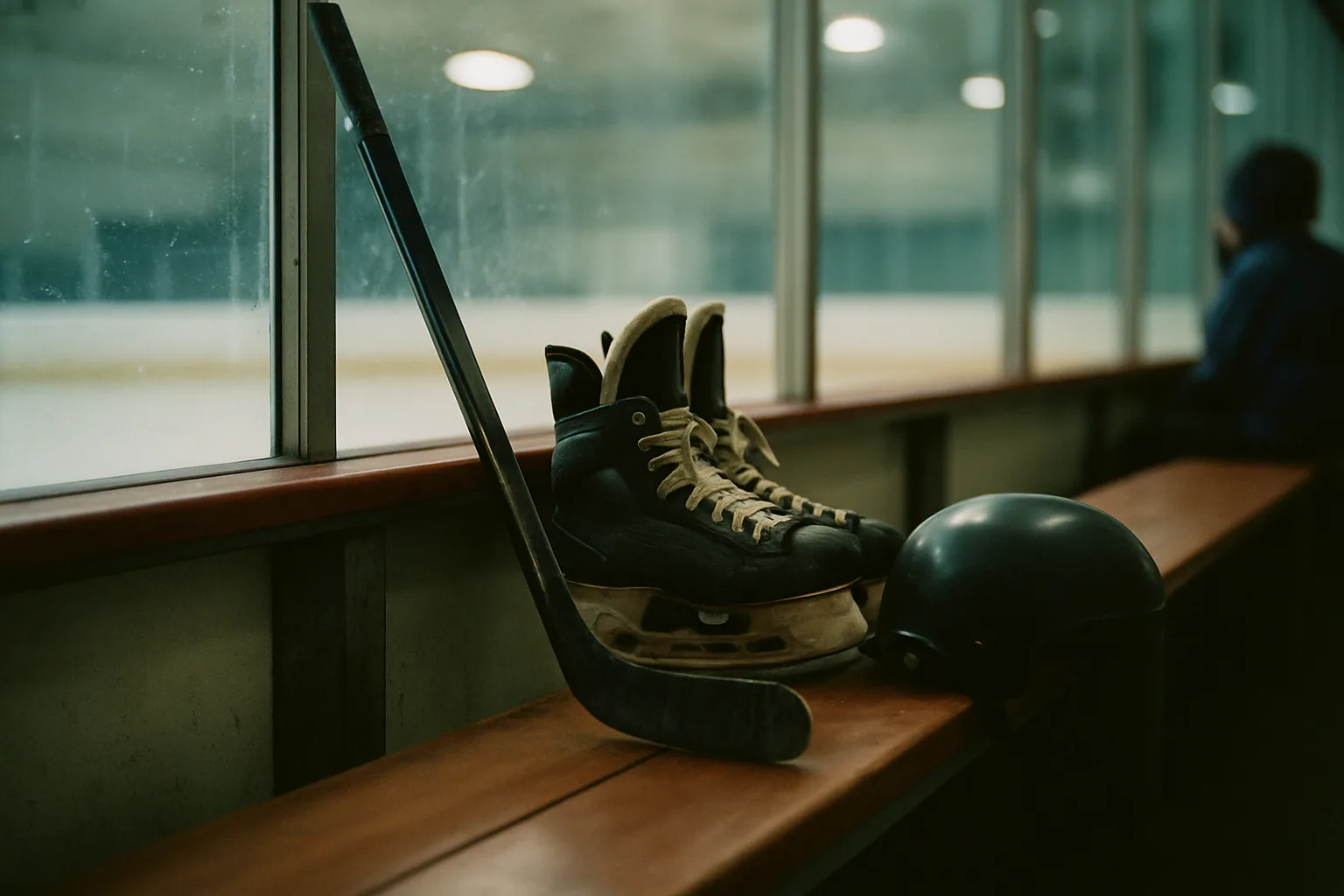
Tryout week hits differently when your kid is the one lacing up. The parking lot is full of parents who have already decided their child belongs on the top team, and the rink lobby runs at about twelve degrees and twice the normal tension. Knowing what to expect beforehand cuts through most of that.
The format varies by program, but most Squirt and Peewee tryouts at reputable programs run two or three on-ice sessions spread over a few days. The first session is usually skating evaluation. Coaches are not watching puck skills yet.
They are watching edges, crossovers, backward skating, and how a kid recovers when they lose an edge. Skating carries more weight than most parents realize because everything in hockey is built on top of it. A kid who cannot skate well cannot be coached into a good player on a compressed timeline.
Session two moves into puck-handling and passing circuits, then shooting. Kids will cycle through drills in small groups. Coaches are writing things down and moving on fast.
Your kid will not have time to warm up, fix a mistake, or show you they can do it better. One rep and rotate.
Session three, if there is one, is compete. Small-area games, three-on-three, sometimes a scrimmage. This is where coaches see hockey sense: does your kid read the play, find open ice, make the simple pass under pressure?
It is also where kids either show up or tighten up. The ones who compete like it is a game rather than a test usually stand out.
What coaches at this age are actually measuring is skating plus compete. A twelve-year-old with average puck skills but exceptional edges and a will to forecheck gets placed higher than a polished stickhandler who drifts. Programs can teach puck skills. They cannot easily teach a kid to compete.
Your role during all of this is simple: sit in the stands, watch the ice, and say nothing to other parents about how the sessions are going. The lobby conversations about which kids are definite makes, which coach has already decided, what the team parent said last year, none of that is information. It is noise from people in the same anxious situation you are in.
The drive home after the last session is the one that matters most. Your kid already knows how they skated. They do not need analysis, scoring, or your read on who else looked good. “That looked hard and you kept competing” is the right sentence. Whatever comes next in terms of placement, that sentence will still have been true.
Results typically come within a week by email or a posted list at the rink. If your kid makes the team they wanted, great. If the placement is not what they hoped for, that conversation deserves real time and a real answer, not a parking-lot pivot to what comes next. Let them feel it first.
Before the season gets going, the gear guide for hockey covers what to buy new, what to buy used, and what to skip until you know the level your kid lands on.