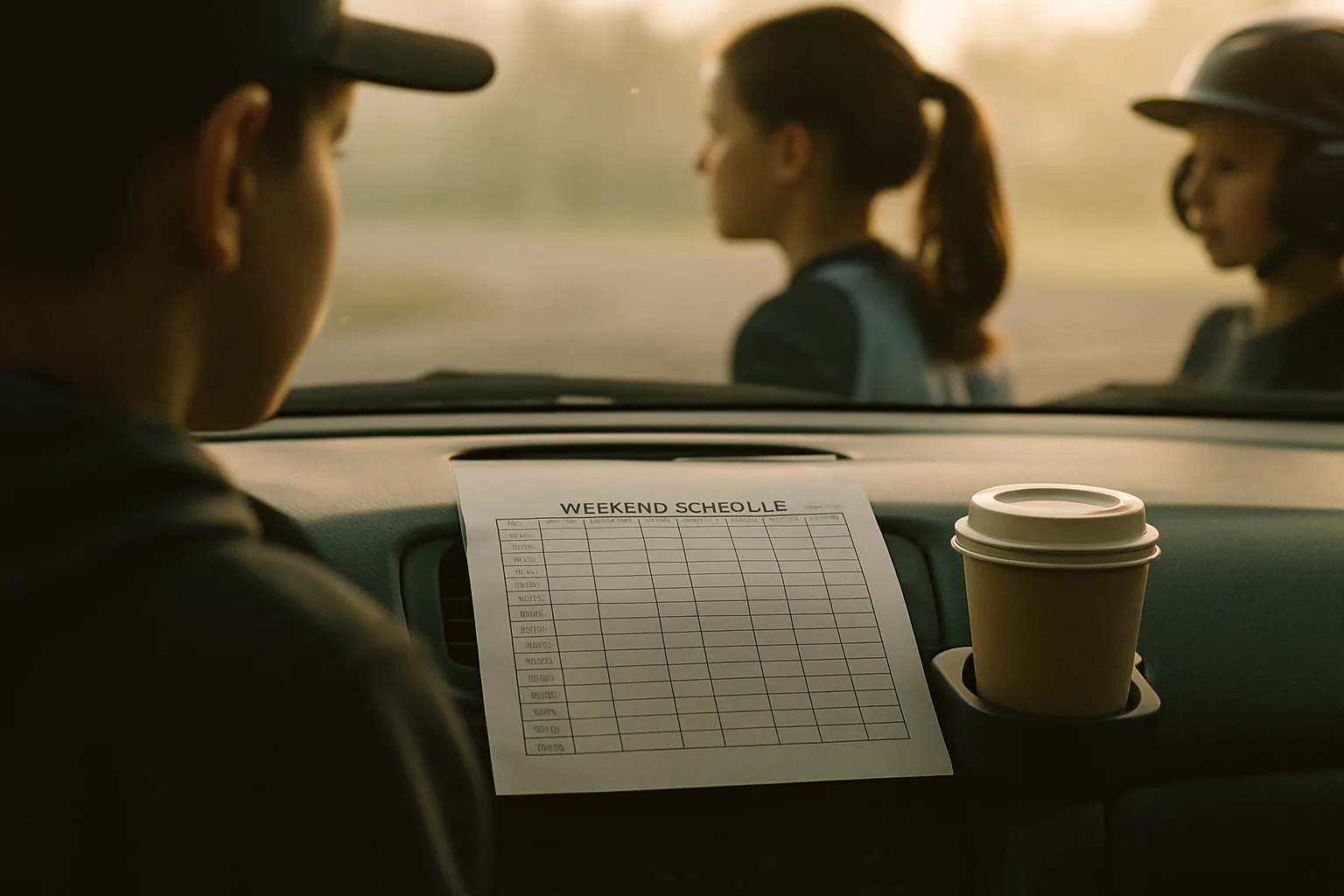
Most private lessons help. The kid gets focused reps, individual feedback, and skill work the team practice can’t deliver. For some kids in some sports, private coaching is the difference between making the next-level team and not.
Some private lessons backfire. The signs.
The kid is conflicted between two coaching voices. The private coach says one thing about the swing or the stroke or the shot form. The team coach says something else. The kid is in the middle, trying to do both, and is performing worse in games than they did before lessons started.
This is the most common failure. Skills coaches and team coaches often have different philosophies. When the kid is hearing two voices that don’t agree, they freeze. The fix is one voice. Either the private coach has to align with the team coach, or the lessons stop until after the season.
The kid is dreading the lesson. Lessons are intense. Some intensity is fine. Dread is not. When a kid is dragging into a lesson at 6pm Wednesday and not wanting to play in their game on Saturday, the lessons have become a job they didn’t sign up for.
The kid is over-coaching themselves in games. They’re standing at the plate or on the mound running through the cues from the lesson. They’ve stopped being a player and started being a student of the swing. Performance gets worse before it gets better with mechanics changes, but if it stays worse for more than four to six weeks, the work isn’t translating.
The team coach mentions it. Most team coaches will not directly criticize a private coach. But “we’re trying to get him to relax in the box” or “she’s thinking too much” are coded notes. The translation is often: the lesson work isn’t translating to game performance.
The cost is starting to dominate the family conversation. $80 a week is $4,160 a year. If the family is having tense conversations about whether to keep paying, the answer is usually pause for a season and see what happens.
What to do.
Pause the lessons for the in-season window. Resume in the off-season if the kid wants. Pick coaches who actively communicate with the team coach. The best skills coaches at this level ask “what’s your team coach working on?” before they design the lesson plan.
Lessons should make the kid better at playing the sport. If they’re making the kid better at lessons but worse at the sport, the lessons are the problem.