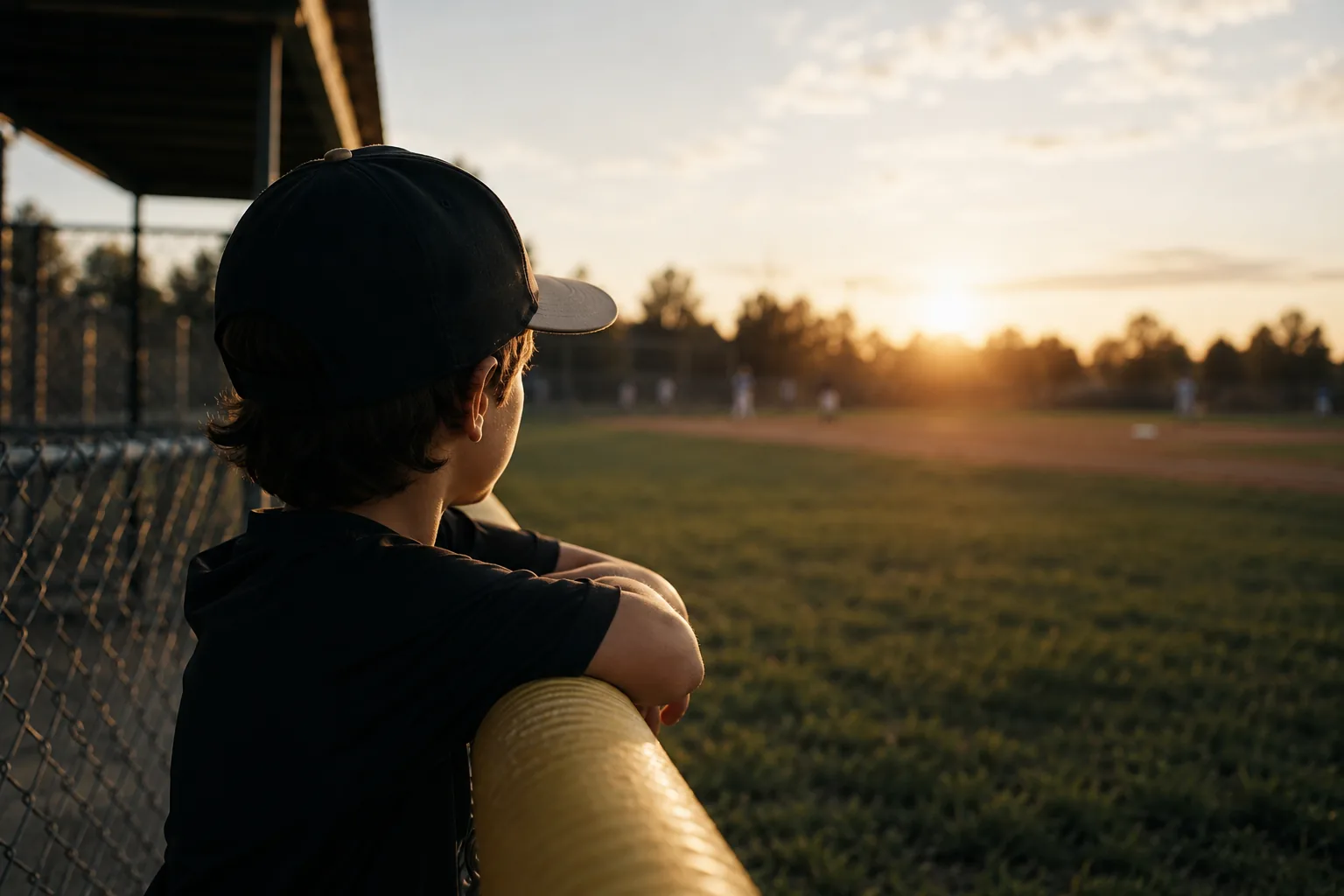
The off-season is one of the most-misunderstood concepts in youth sports. Coaches use the word. Parents nod. Almost nobody agrees on what it actually means.
The AAP and AOSSM consensus: youth athletes should take at least two to three months off competitive single-sport play per year. Not off all activity. Off competitive single-sport. That distinction is everything.
Off-season is not zero. The kid who sits on the couch all summer comes back deconditioned, soft, and at higher injury risk in August. Off-season is not a private trainer five days a week either; that’s just the season with a different uniform.
Off-season by age:
Ages 5-10. The off-season is “do other stuff.” Play in the backyard. Ride bikes. Swim because it’s hot. Try a new sport for fun. There’s no structured off-season program. There shouldn’t be. The “training” at this age is general physical activity, and they get plenty of it from being a kid.
Ages 11-12. Off-season is “play a different sport, plus general fitness.” The kid who plays travel baseball might play rec basketball in the off-season. The kid who does year-round soccer takes August off completely and adds rock climbing or swimming for fall. Strength work is still bodyweight focused. No private skill trainer in the primary sport.
Ages 13-14. Off-season is “active recovery + cross-training + strength foundation.” Two months fully off the primary sport. Add a different physical activity, lifting, yoga, climbing, swimming, hiking. Begin real strength training (bodyweight to light loaded with proper coaching). One or two skill sessions a month in the primary sport is fine if the kid wants them; not required.
Ages 15+. Off-season is “structured training that’s not the sport.” Real strength and conditioning, ideally with a trained coach. Cross-training in a different physical mode (swim if you’re a runner, run if you’re a swimmer). Two months fully off competitive play in the primary sport. Skill work tapered to once or twice a week, max.
The travel-club push-back. Most travel programs will tell you the off-season is when the kid falls behind. They’re wrong. The kid who takes a real off-season comes back with a healthier body, lower injury risk, and a renewed appetite for the sport. The kid who never takes an off-season is the kid who burns out at 15 and quits at 16.
What “fully off competitive play” actually means. No games. No tournaments. No pressure-to-perform settings. Casual play with friends is fine. Pickup is fine. Showing up to a clinic for fun is fine. What’s not fine is playing on a competitive team year-round.
What active rest looks like in practice. A 13-year-old soccer player whose season ended in June. June: complete rest the first two weeks. Late June: starts hiking with the family. July: adds two strength sessions a week (bodyweight squats, pushups, planks, single-leg balance work) plus lots of swimming and biking. Early August: starts running again, easy, three times a week. Mid-August: pre-season camp opens, and the body is ready.
The signs that the off-season is failing. Kid is bored after a week. Kid is anxious about the gap. Kid is sneaking in extra training. Coach is calling. Other parents are humble-bragging about their kid’s summer schedule. None of those mean the off-season plan is wrong. They mean the culture around your kid is wrong, and the off-season is the right correction.
The off-season is not a sacrifice. It is the part of the year that builds the next season. The body recovers. The mind resets. The desire returns. Skipping it is the most-overlooked variable in youth burnout, injury, and dropout.
Two months. Not zero. Not training-camp. Just less.