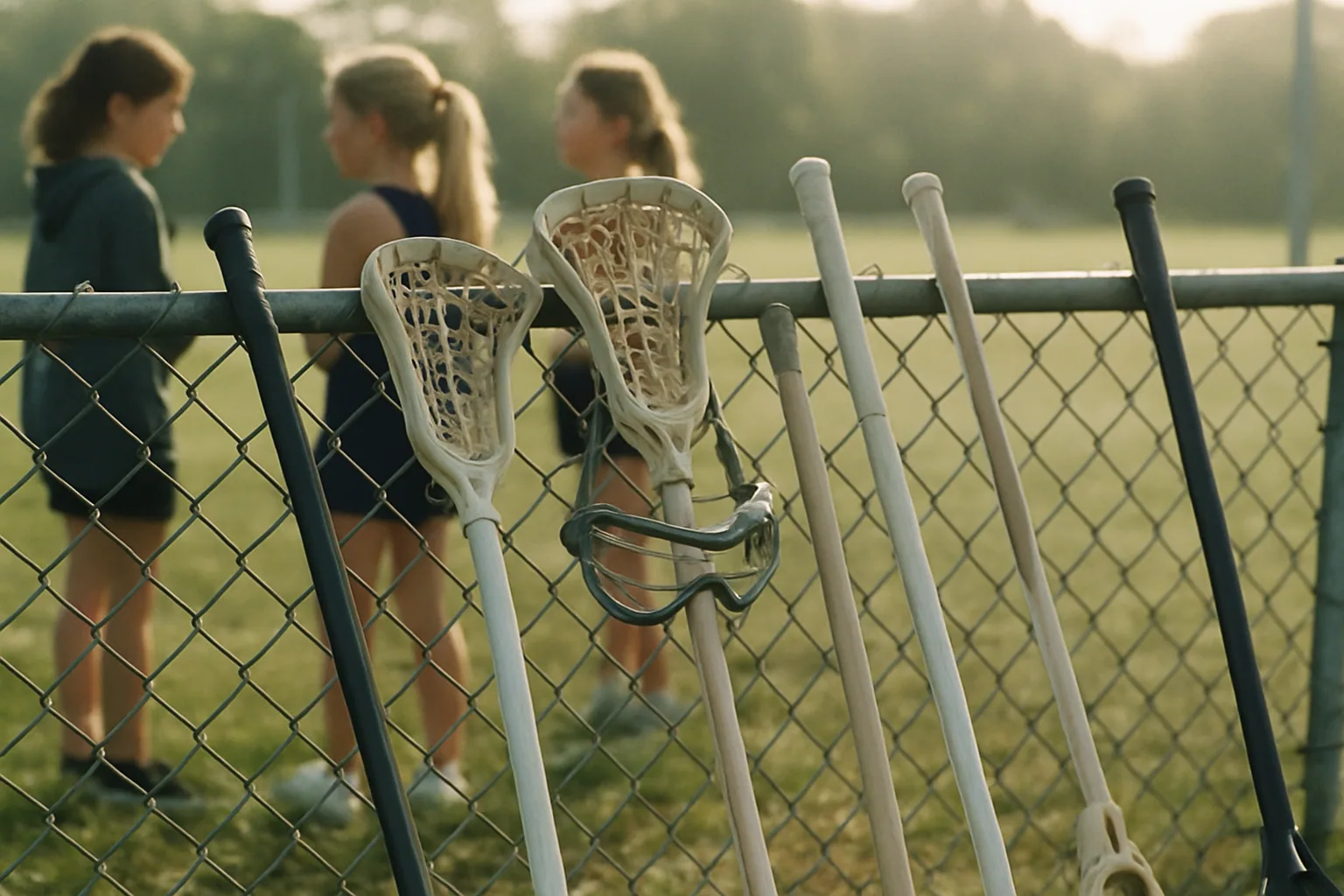
Girls lacrosse rosters run bigger than basketball and smaller than football. A typical varsity program carries somewhere around 22 to 26 players, with a JV team underneath it for the kids not ready for full-field speed yet.
That JV team matters more in lacrosse than in most sports. The gap between an 8U checkless game and a full 12v12 varsity game is real, and a lot of programs use JV as the honest bridge rather than a demotion.
Freshmen rarely make varsity. It happens, and when it does it’s usually a kid who played serious club lacrosse for years and already has the stick skills and field vision most sophomores are still building. Outside of that, a freshman on varsity is the exception, not the target.
Sophomore year is where the roster opens up. By then most players have two or three years of 12v12 rules under them, the checking rules have fully phased in, and conditioning has caught up to varsity pace. Coaches start filling bubble spots from the sophomore class more than the freshman class.
What actually gets a kid cut isn’t lack of athleticism. It’s stick skills breaking down under pressure. A player who can catch and throw clean in a drill but turns the ball over the second a defender closes isn’t ready for varsity speed yet, and coaches know the difference fast.
Conditioning is the other filter. Girls lacrosse is a running sport with almost no stoppages compared to football or basketball. A kid who looks great in a walkthrough and gasses out in the third quarter of a scrimmage tells the coach everything.
Communication on defense gets weighed heavily too. A quiet defender who never calls out a cutter or a pick is a liability at varsity speed even with good footwork. Coaches notice who talks and who doesn’t in the first week.
The kids who separate themselves in tryout week are usually the ones who’ve done real work in the off-season: lifting, sprint work, and wall ball that never stopped. That prep shows up in October, not just in March. The girls lacrosse pathway covers what that off-season work should look like heading into the high school years.
If the answer this year is JV, that’s not a verdict on the rest of her career. Plenty of varsity contributors spent a season on JV first, building the speed and IQ that tryout week couldn’t manufacture in three days.