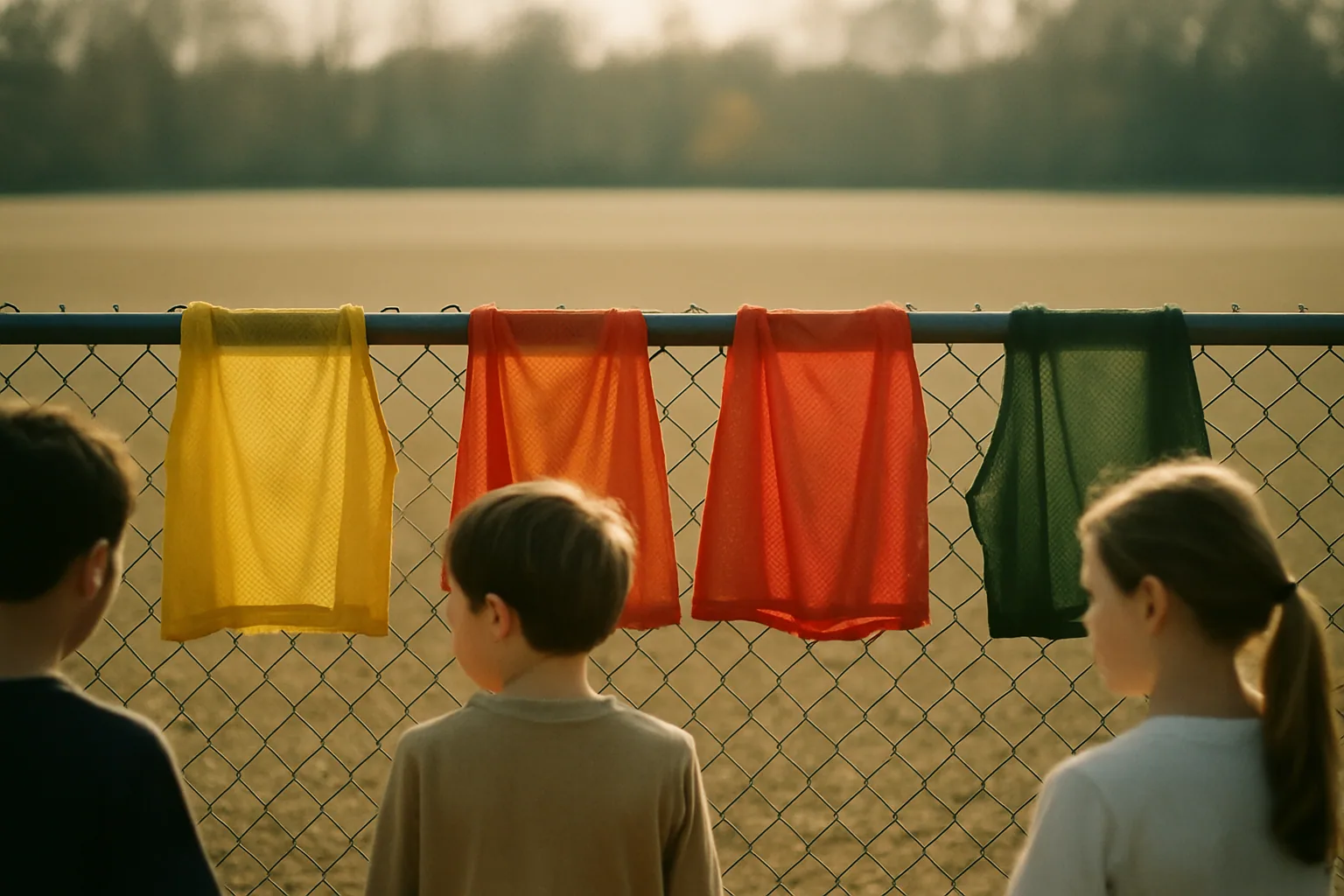
The off-season is the right time to try a new sport. The kid is fresh, the competition for time is light, and the stakes are low.
A five-week test usually tells you whether the new sport sticks.
Week one: orientation. The kid is overwhelmed by new vocabulary, new equipment, new social dynamics. They will come home tired and saying “I don’t know if I like this.” That’s normal. Don’t make any decisions yet.
Week two: the friend question gets answered. They’ve identified one or two kids they like and one or two who annoy them. The social map is forming. If they have made one friend by week two, the social part is going to work. If they haven’t, they will probably not stay long.
Week three: the skill question gets answered. They have figured out whether they’re decent at it, terrible at it, or in the middle. Decent kids tend to stay. Terrible kids who are also having fun socially might stay. Middle kids go either way.
Week four: their honest opinion comes out. This is the week to ask, “Do you want to keep doing this?” Their answer is usually real. Earlier than this, they don’t know yet. Later than this, sunk-cost bias kicks in.
Week five: the decision. They tell you. Honor the answer. Don’t talk them into staying because you spent money on equipment.
Parent traps to avoid.
Don’t buy the expensive starter kit before week three. The basic loaner gear is fine. The equipment-buying step signals “we are committing” and pressures the kid to commit too.
Don’t compare them to kids who have been playing the sport for years. Of course they’re behind. They started this month.
Don’t quit on them when they have a bad day in week one or two. Bad days happen. The five-week arc is the meaningful unit, not the single Tuesday.
The off-season is for finding what sticks. Sometimes the new sport is what they keep. Sometimes it’s the experiment that helps them realize how much they miss the old one.