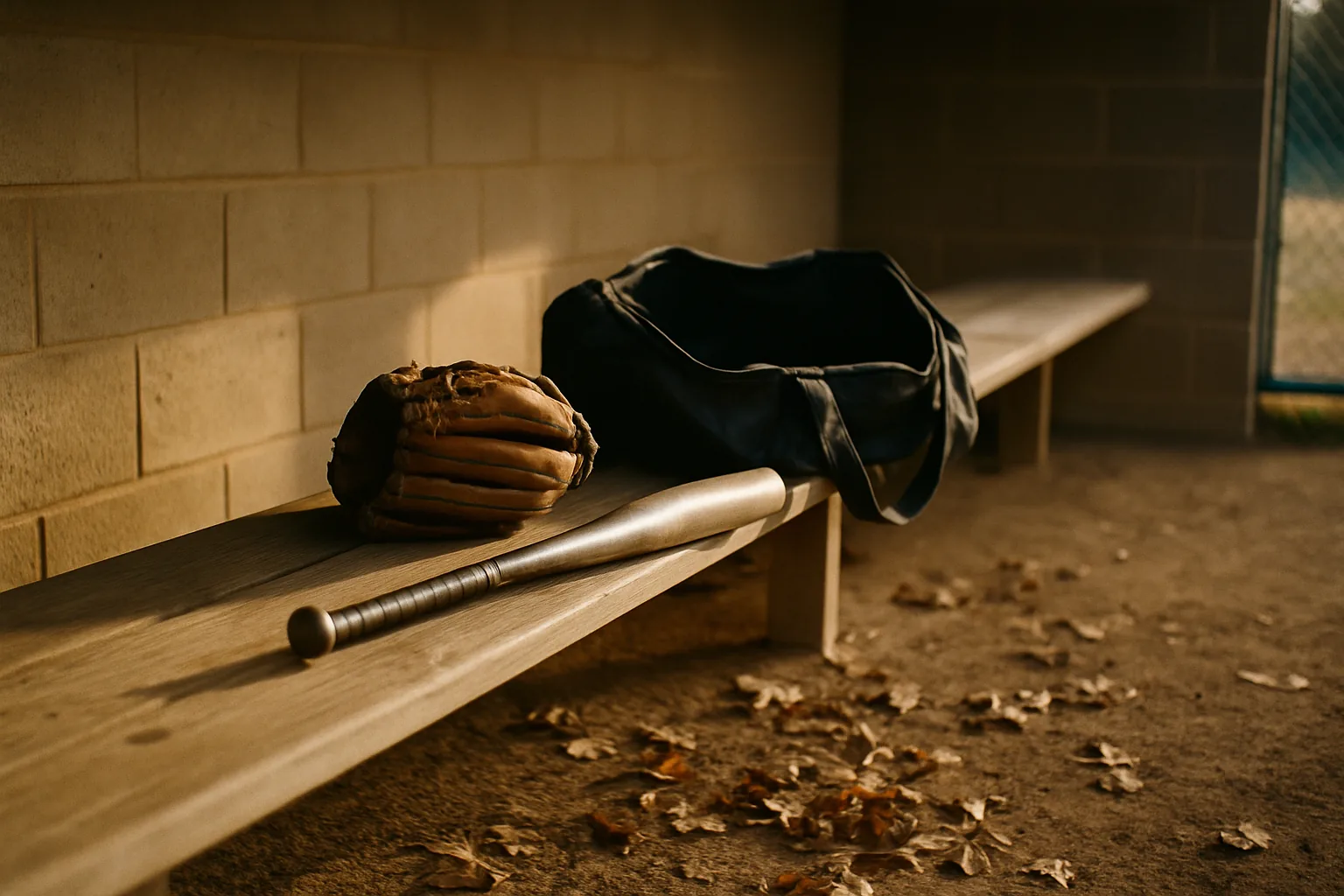
Fall ball gets pitched the same way in softball as it does in baseball: more reps, lower stakes. The difference is the circle, where Little League caps a pitcher at 12 innings in a day and the fall season is the cheapest window all year to find out if your kid wants it.
When it happens. Registration opens in September, right after the regular season and any all-star tournaments wrap up. The season runs six to eight weeks, usually done before Halloween.
August sits empty on most rec softball calendars, so fall ball is the thing that fills it instead of a total break.
What’s different on the field. Most leagues run free substitution and a continuous batting order: every kid bats, every kid rotates through more than one position across a season. Pitching rules don’t relax.
Little League Softball caps a pitcher at 12 innings in a single day, and a pitcher who throws 7 or more innings in a day needs one full calendar day of rest before pitching again. That’s an innings limit, not a pitch count. Baseball counts every throw; softball counts the innings a kid stands in the circle.
Why fall ball matters more for softball specifically. Spring carries standings, a roster spot, and a coach who needs innings from someone who can already throw strikes. Fall carries none of that.
A kid who’s curious about the circle can take the ball in a game that means nothing on paper and find out if she likes it. Fall is the lowest-pressure window all year to make that call, and it doesn’t come around again until next September.
What’s gone. No opening day, no picture day, no playoffs, no trophies at most leagues. Losing the ceremony is the point, not a downside.
What it costs. Registration runs under spring fees, since there’s no tournament budget or banquet built into the price, and most leagues reuse the spring uniform. The actual number moves by league more than spring fees do. Check your own league’s page instead of trusting a figure from anywhere else.
Is it worth it. For a kid who wants more softball, or wants to try pitching without a spring roster spot riding on it, yes. For a family already stacking fall soccer or volleyball on the calendar, the math gets tight before the value does.
Skipping a fall season costs a kid nothing long-term. The one thing worth protecting time for is a kid asking to try the circle for herself.